
10 Of The Easiest Herbs To Grow From Seed For Beginners
If you’re brand new to seed starting, it can be a little tricky. It’s certainly a task that takes practice, patience and a few years before mastering the skill. However, there’s several herbs that I’ve deemed as easy-to-grow from seed. This includes herbs that do best from being started indoors. As well as those that thrive from being sow’d directly in the soil. And so here’s my list of 10 of the easiest herbs to grow from seed for beginners!
This post covers:
- The 10 easiest herbs to grow from seed
- Detailed growing info on each herb
- Links to my favourite varieties of each herb for you to try
Simplify your herb seed starting with this digital guide!
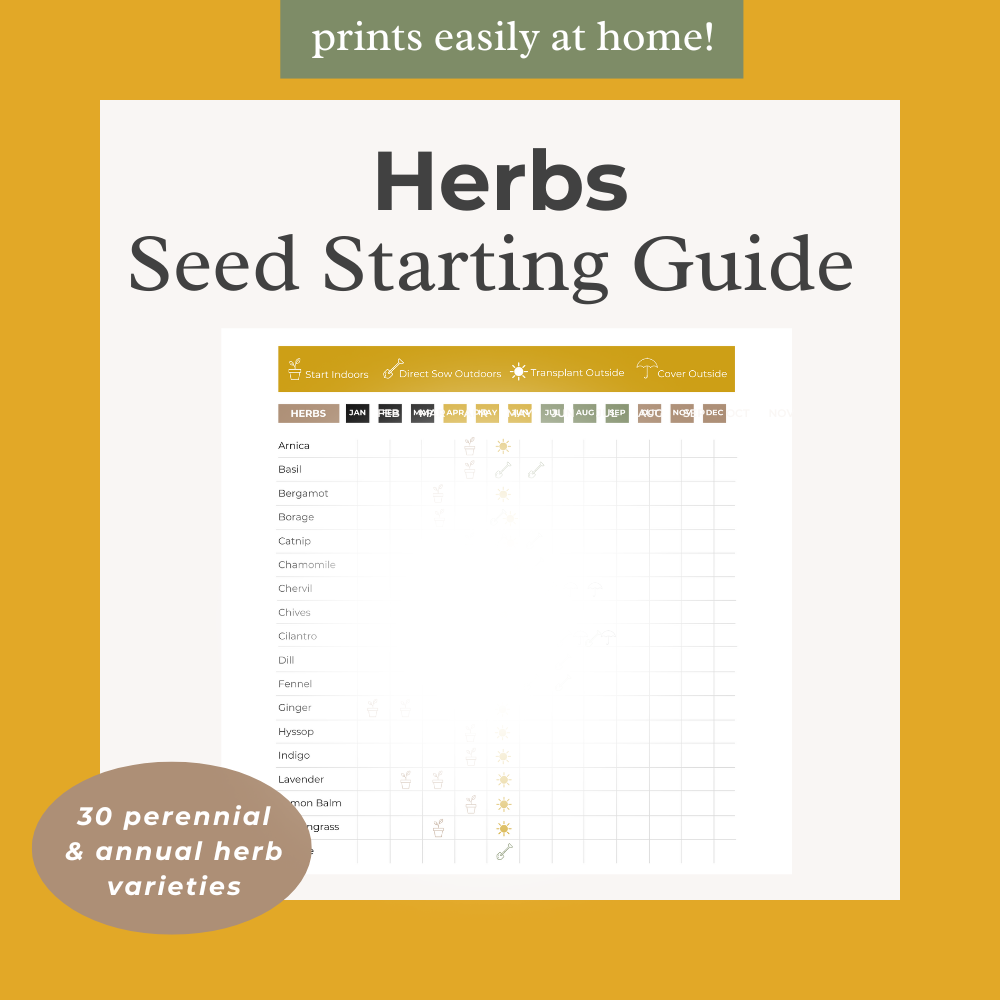
Consider this digital guide your gardening work back schedule for growing a herb garden from seed. This download has information best suited for gardeners in Zone 2, 3 & 4.
In this PDF, you’ll find easy to follow planting advice you can use to build out your herb garden planting schedule, including:
- 30 unique herbs that can be started across 12 months
- Easy-to-follow visual legend with symbols
- Timing for starting each plant
- Suggested growing style — ie: direct sow vs. start indoors
- Additional growing tips — ie: covering, succession planting, etc..
Okay…let’s get into the topic!
10 Of The Easiest Herbs To Grow From Seed For Beginners
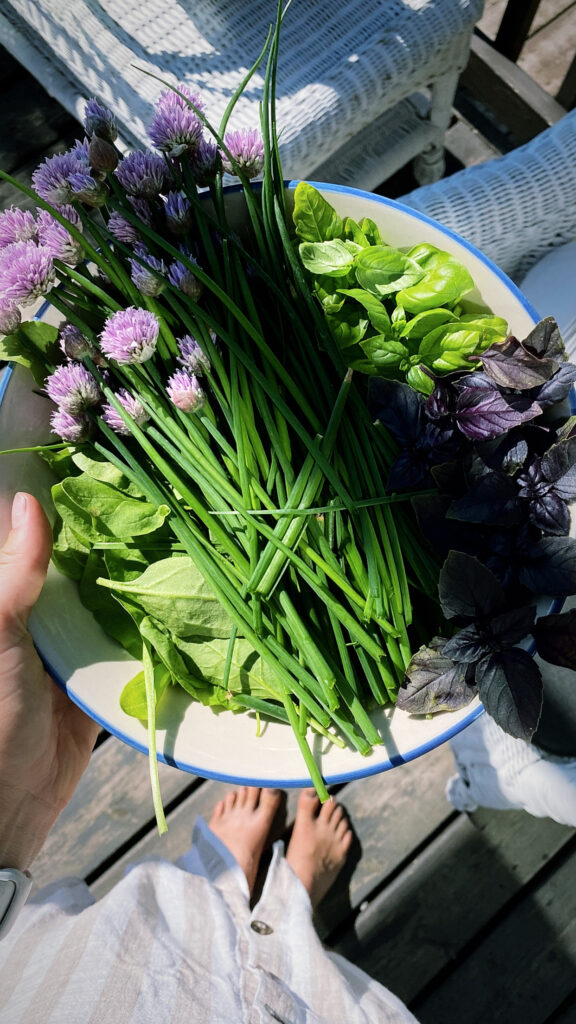
Keep reading for more growing info & suggested varieties on each herb!
1. Dill
2. Basil
3. Cilantro
4. Borage
5. Chives
6. Chamomile
7. Lovage
8. Parsley
9. Shiso
10. Stinging Nettle
*Note: This list includes herbs that grow best from being started indoors as well as herbs that prefer to be directly sow’d. Be sure to follow suggested growing advice for best results.
1. Dill
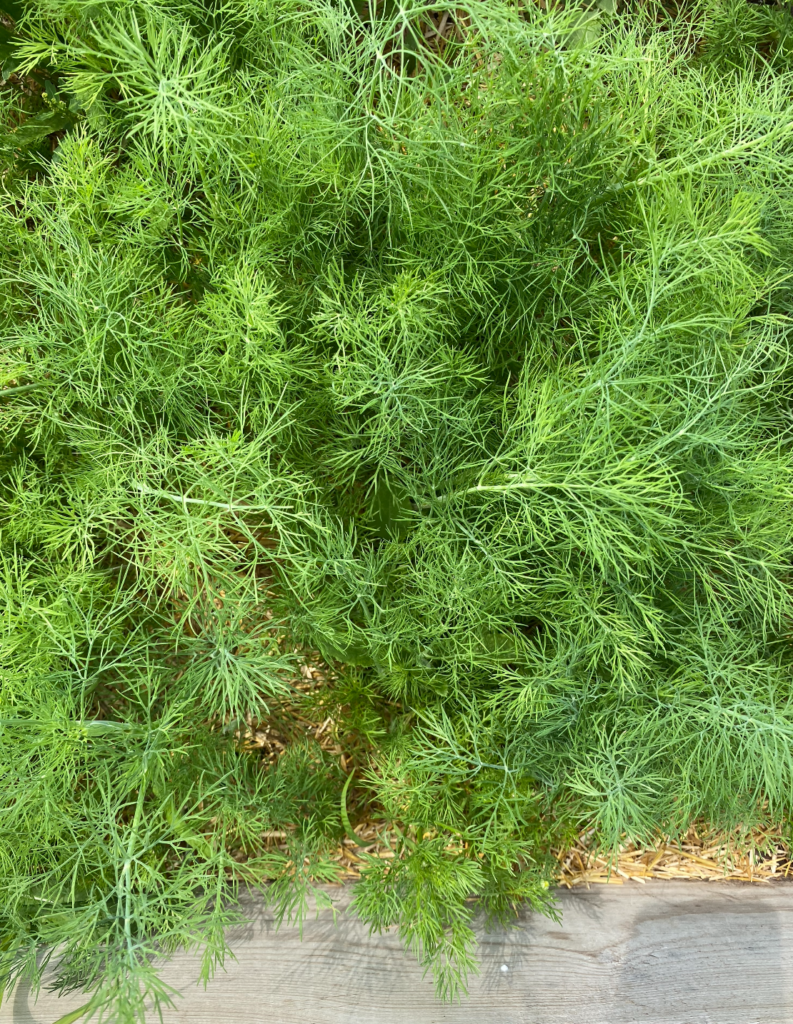
Dill kicks off our list of easy to grow herbs for beginners because it is just that! Dill is incredibly easy to grow.
So much so that some gardeners consider it a weed.
So be careful! If you let your dill go to seed each Fall, you will end up with dozens of volunteer plants popping up the following Spring.
For some, this is a gift. Free herbs! For others, this is a nuisance.
All this to say, you will certainly be able to grow dill from seed even if you don’t have a “green thumb.”
How To Grow Dill From Seed
Difficulty Level: Extremely easy and beginner friendly
Sun: Requires full sun, minimum of 6-8 hours of direct sunlight per day.
Planting: Direct sow dill in the garden after any risk of frost has passed. Alternatively, start indoors 4 weeks before your last frost date. However, dill grows best directly sow’d outdoors, so indoor seed starting really is not necessary.
Growing: Grow dill in well-draining soil. Dill thrives in poor soil, so no need to fertilize or add compost to your dill crop. Keep soil well-watered during germination.
Suggested Varieties:
- Dukat Dill — perfect for pickling
- Ella Dill — grows bushier, perfect for eating fresh
2. Basil
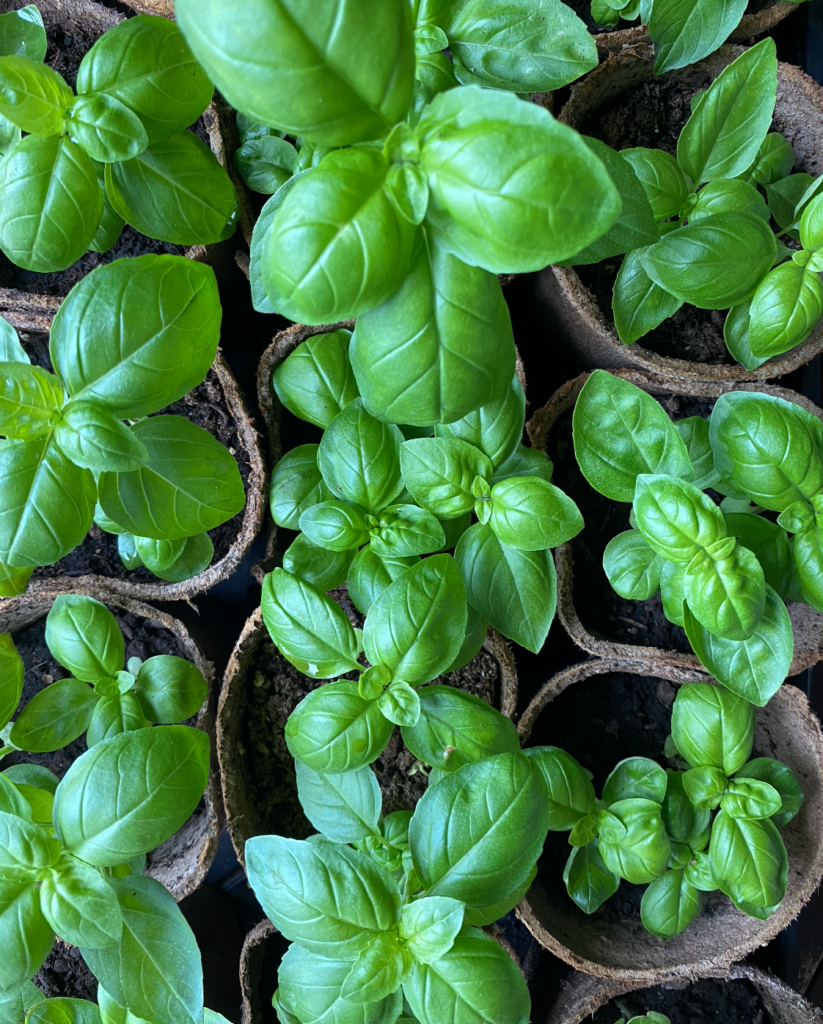
Basil is a close second to dill for how easy it is to grow from seed.
The only thing that makes basil a slightly more difficult herb to grow is that (in my experience) it does better when started indoors. Rather than directly sow’d in the garden.
However, even with starting basil indoors it’s easy to do!
So definitely give basil a shot this growing season. There’s so many great varieties to choose from too! A handful of which I’ve linked below for you.
How To Grow Basil From Seed
Difficulty Level: Easy, very beginner friendly!
Sun: Requires full sun, minimum of 6-8 hours of direct sunlight per day.
Planting: Start basil indoors 4-6 weeks before your last frost date under grow lights. Alternatively, direct sow in the garden after any risk of frost has passed. Basil is a tender seedling and will not germinate in cold soil. So be sure night time temperatures are hovering around 10°C before seeding.
Growing: Keep basil well-watered throughout the entire growing season. Basil does benefit from regular organic fertilizing. Basil also benefits from some shade protection during the heat of the growing season to stop it from bolting. Planting basil near a larger plant that can provide some shade, such as tomatoes, is a benefit.
Suggested Varieties:
- Lettuce Leaf Basil — produces giant basil leaves, incredible for eating fresh!
- Siam Queen Thai Basil — fantastic flavour
- Cinnamon Basil — really strong cinnamon flavour & aroma, great in tea!
- Dolly Basil — classic variety, highly productive and great for pestos and processing
3. Cilantro
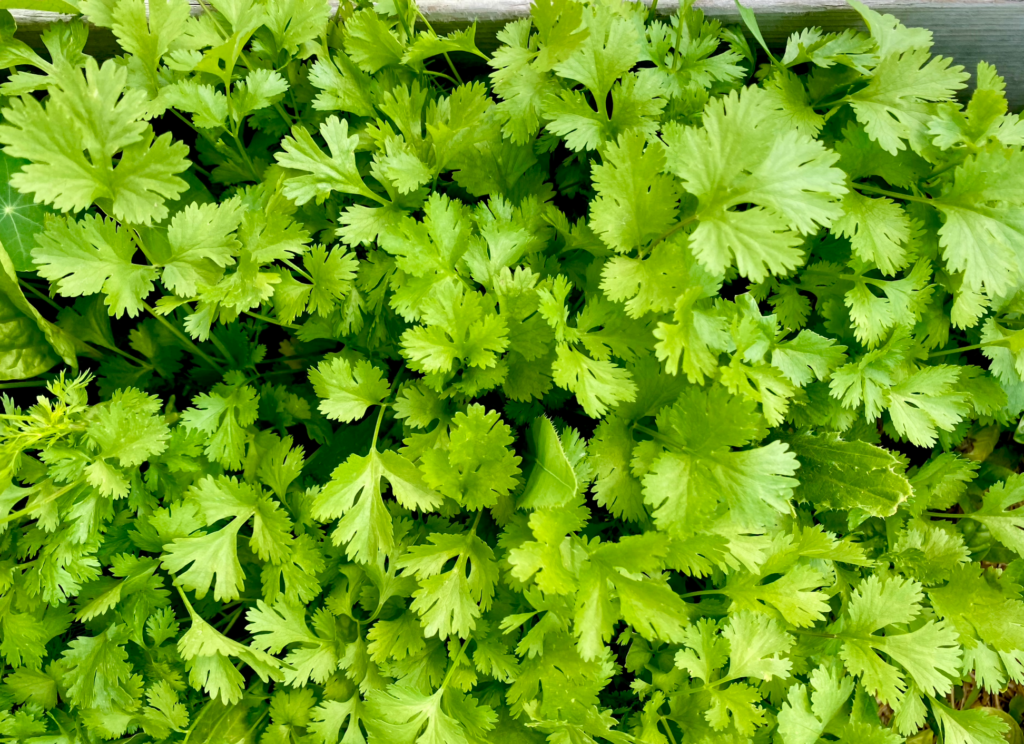
Cilantro easily earns its spot at the beginning of our list of the top 10 easiest herbs to grow from seed for beginners.
This is because of a few key reasons;
- It’s easy to germinate
- It thrives from being directly sow’d in the garden
- It’s one of the first things you can plant outside in early Spring
Since cilantro germinates best in cold soil, you can easily plant it in the garden before your last frost date. Or, try my winter sowing method and plant it into a milk jug in!
How To Grow Cilantro From Seed
Difficulty Level: Easy
Sun: Partial sun to shade.
Planting: Direct sow cilantro in the garden in early Spring a few weeks before your last frost date. Cilantro thrives in cold soil and will germinate even with a hard frost. Be sure to keep soil consistently watered during germination. Sow another succession of cilantro in the Fall when temperatures dip.
Growing: Cilantro does best when it has some protection from heat and sun. Otherwise it may bolt. So plant it in a shady spot in the garden or grow under a light weight row cover or shade cloth during the hottest months of the growing season. Alternatively, plant your cilantro in a container that you can move to shady locations as needed. Cilantro grows well in poor soil so no need to fertilize.
Suggested Varieties:
- Santo Long Standing Cilantro — my fav variety as it is incredibly bolt-resistant!
4. Borage
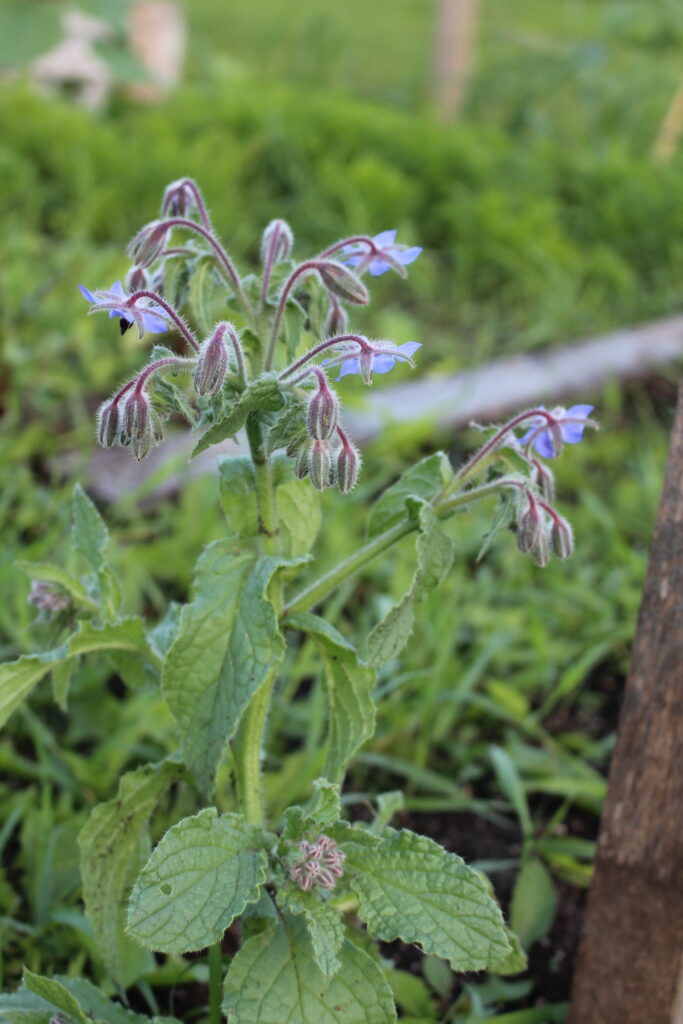
In my opinion, borage is such an underrated herb!
Here’s a few reasons why you should plant borage this season:
- It’s easy to germinate
- Can be started indoors or direct sow’d
- It naturally reseeds each season and will multiple if you let it
- Both the leaves and flowers are edible
- Borage leaves are fuzzy and have a mild cucumber flavour, while the flowers have a sweet taste
How To Grow Borage From Seed
Difficulty Level: Easy
Sun: Requires full sun, minimum of 6-8 hours of direct sunlight per day.
Planting: If starting indoors, start 6-8 weeks before your last frost date under grow lights. Borage has a taproot so needs to be treated carefully when potting up. If direct sowing outdoors, plant in the garden after any risk of frost has passed and night time temperatures are hovering around 10°C. Plant into well draining soil and keep consistently wet during germination.
Growing: Borage grows well in various soil types as well as in containers or in-ground. Be mindful that the plants do get quite large, so provide adequate space. Continue with regular waterings and harvests as it will keep plants flowering throughout the entire growing season.
Suggested Varieties:
- Classic Borage — what I grow each season here in my Zone 3 garden
5. Chives
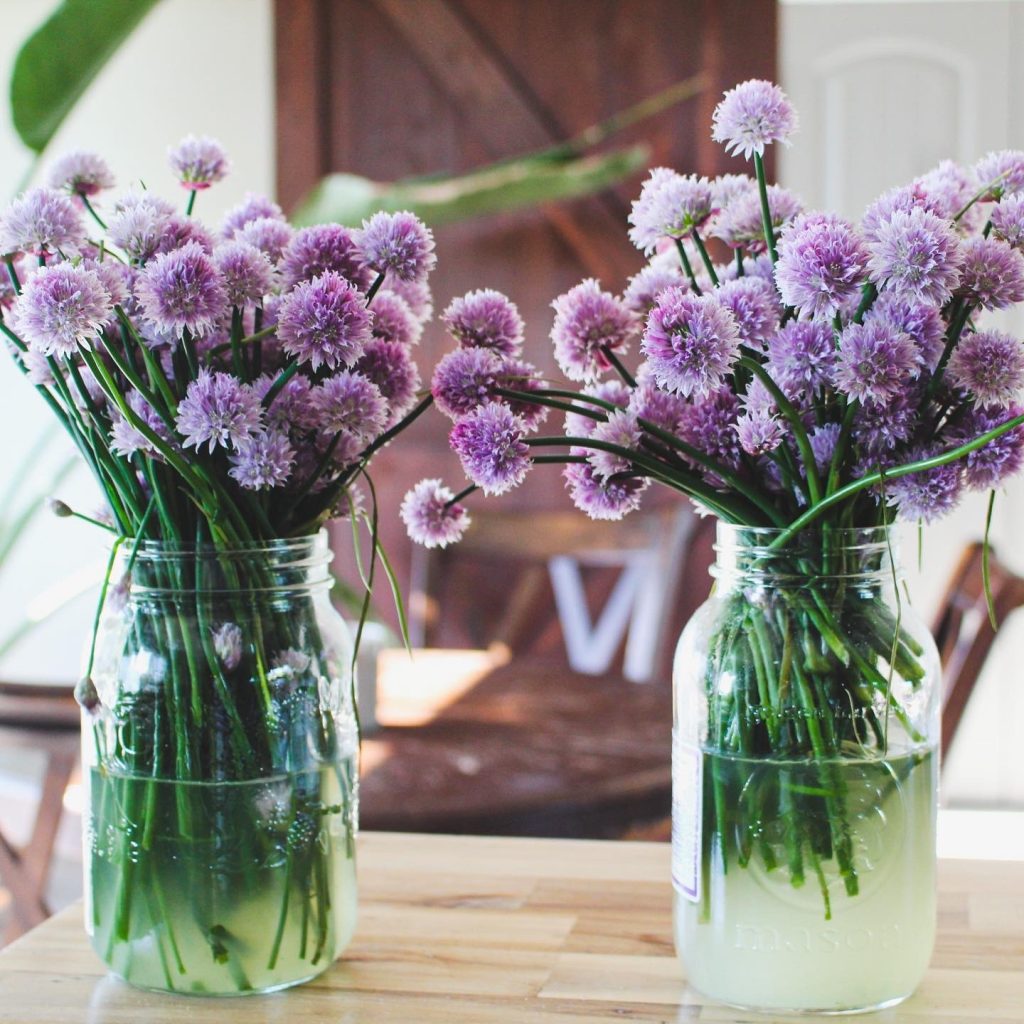
Chives are one of my favourite perennial herbs to grow in my Zone 3 garden.
It’s incredibly hardy and cold-resistant. Even with our -30°C Winters, my chive plant is not bothered! And comes back bigger and stronger each year.
I love harvesting chive blossoms in early Spring to infuse into salad dressings. And love harvesting the chive greens for eating fresh or making my famous Vegan Chive Pesto Recipe. It’s so good!
Chives make this list of 10 of the easiest herbs to grow from seed because of how hardy and low maintenance it is! Plant it once and you’ll enjoy it year after year.
How To Grow Chives From Seed
Difficulty Level: Easy
Sun: Requires full sun, minimum of 8 hours of direct sunlight per day.
Planting: Follow my Complete Chive Growing Guide for a break down on how to grow this perennial herb.
Growing: ^
Suggested Varieties:
6. Chamomile
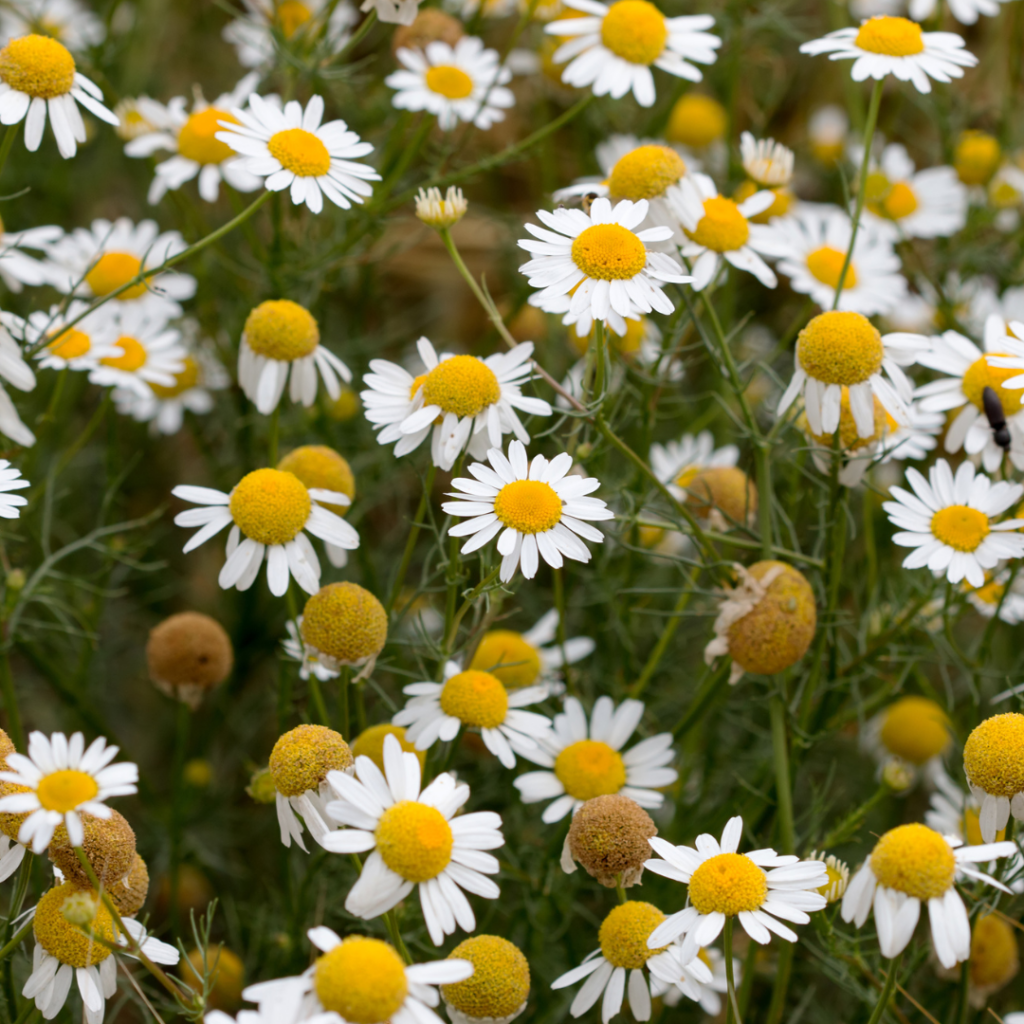
Chamomile is a fantastic, easy-to-grow herb that thrives in short growing seasons.
I’ve heard from gardeners from grow zones across Canada who grow chamomile easily! It’s a very adaptable herb and thrives in a range of soil types.
Growing chamomile is kinda a no brainer. It’s not only easy to grow but blooms all season long. Such a gorgeous flowery addition to your herb garden.
How To Grow Chamomile From Seed
Difficulty Level: Extremely easy and beginner friendly
Sun: Requires full sun, minimum of 8 hours of direct sunlight per day.
Planting: Directly sow chamomile seeds outdoors after any risk of frost has passed. Chamomile will not germinate in cold temperatures.
Growing: Chamomile does well in a range of soil types but requires full sun and consistent watering. Deadheading spent flowers throughout the season will keep it blooming and happy.
Suggested Varieties:
7. Lovage
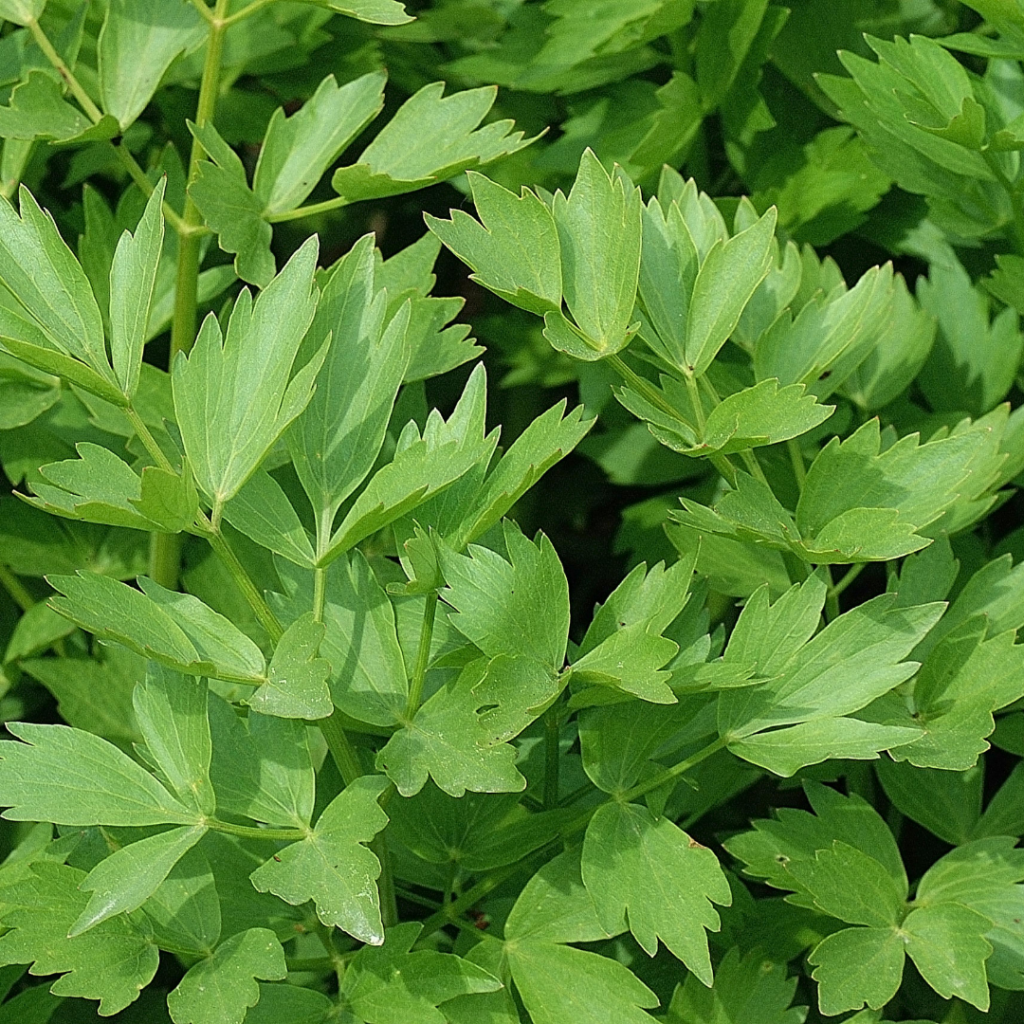
Lovage is a bit of a low-key, forgotten herb that does not get the love it deserves!
I personally love it in my herb bed because of how tall it gets. It adds great height and dimension when planted among other plants.
While lovage is typically only a hardy perennial to Zone 4, I have had success overwintering it here in my Zone 3 garden. I heavily mulch it in the Fall with GardenStraw Mulch.
So definitely add lovage to your list of must grow herbs this season! It may not be the most popular herb out there but it deserves some serious praise.
How To Grow Lovage From Seed
Difficulty Level: Relatively easy
Sun: Requires full sun, minimum of 6-8 hours of direct sunlight per day.
Planting: Start lovage seeds indoor under grow lights 4-6 weeks before your last frost date. The seeds are quite small so sow several per cell and then separate into individual containers once they are established.
Growing: Plant your lovage somewhere it can continue growing and establishing for years to come. In a raised bed or in ground garden is ideal. Provide approx. 3-4′ of space around it. Fertilize lovage at least once throughout the growing season by amending your soil with compost.
Suggested Varieties:
8. Parsley
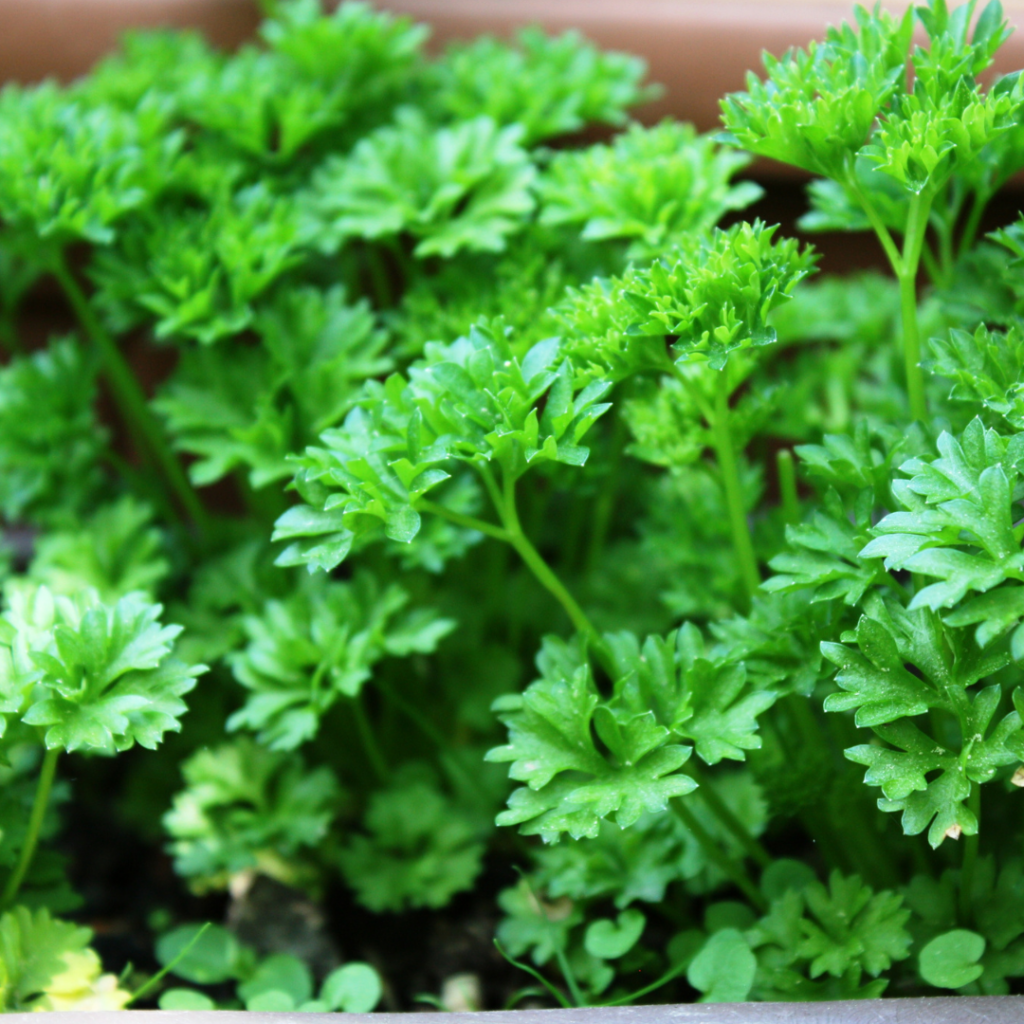
Parsley is an incredibly easy-to-grow herb that really should be higher up on this list!
Similar to dill and cilantro, it does best when directly sow’d in the garden. And it can withstand cool Spring temperatures.
Parsley does best in well fertilized soil, so be sure to regularly feed your parsley throughout the growing season. In return, it will produce a cut and come again herb for you to enjoy for months!
How To Grow Parsley From Seed
Difficulty Level: Extremely easy and beginner friendly
Sun: Partial sun to shade.
Planting: Directly sow parsley outdoors in the garden a few weeks before your last frost date. Choose a spot in your garden that receives some shade to prevent bolting. This will also stop the flavour from getting bitter. For a late Fall harvest, plant another succession of parsley once the temperatures have dipped in the early Fall.
Growing: Parsley does best in fertile soil. Amend your soil before planting and again at a mid point in the season with compost.
Suggested Varieties:
- Dark Green Italian Parsley — fantastic flavour
- Forest Green Parsley — a curly leaf, Mediterranean variety
9. Shiso
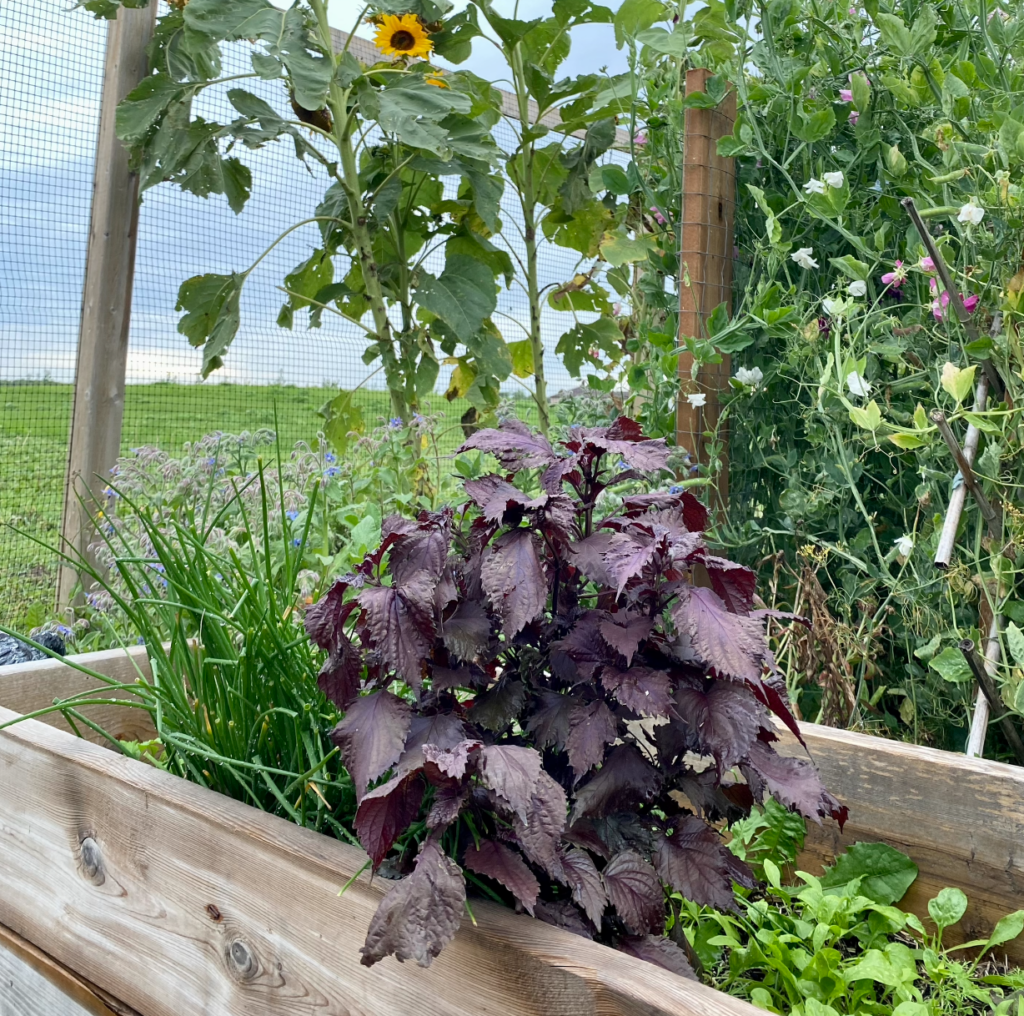
Shiso is a really unique, easy-to-grow annual herb that is low maintenance.
If you’re a fan of Asian cuisines you may be familiar with Shiso. But I feel like I don’t hear of many gardeners growing Shiso. Which is a total missed opportunity! Especially if you love to cook.
It’s a cut and come again herb, meaning the more you harvest the more it produces. A win-win!
The strong flavour is hard to describe…it’s almost like a mix of cilantro and mint…in the best way!
How To Grow Shiso From Seed
Difficulty Level: Moderately easy
Sun: Requires partial shade, about 4 hours of direct sunlight daily.
Planting: Start indoors 4 weeks before your last frost date or direct sow outdoors in the garden after any chance of frost is gone. If starting indoors, use bottom heat from a seedling heat mat like this one to speed-up germination. If direct sowing outdoors, keep soil consistently wet.
Growing: Once seedlings are established, pinch back shiso plants to encourage bushiness. Water regularly and consistently.
Suggested Varieties:
- Green Perilla Shiso — classic variety
- Red Perilla Shiso — purple variety, pictured above!
10. Stinging Nettle
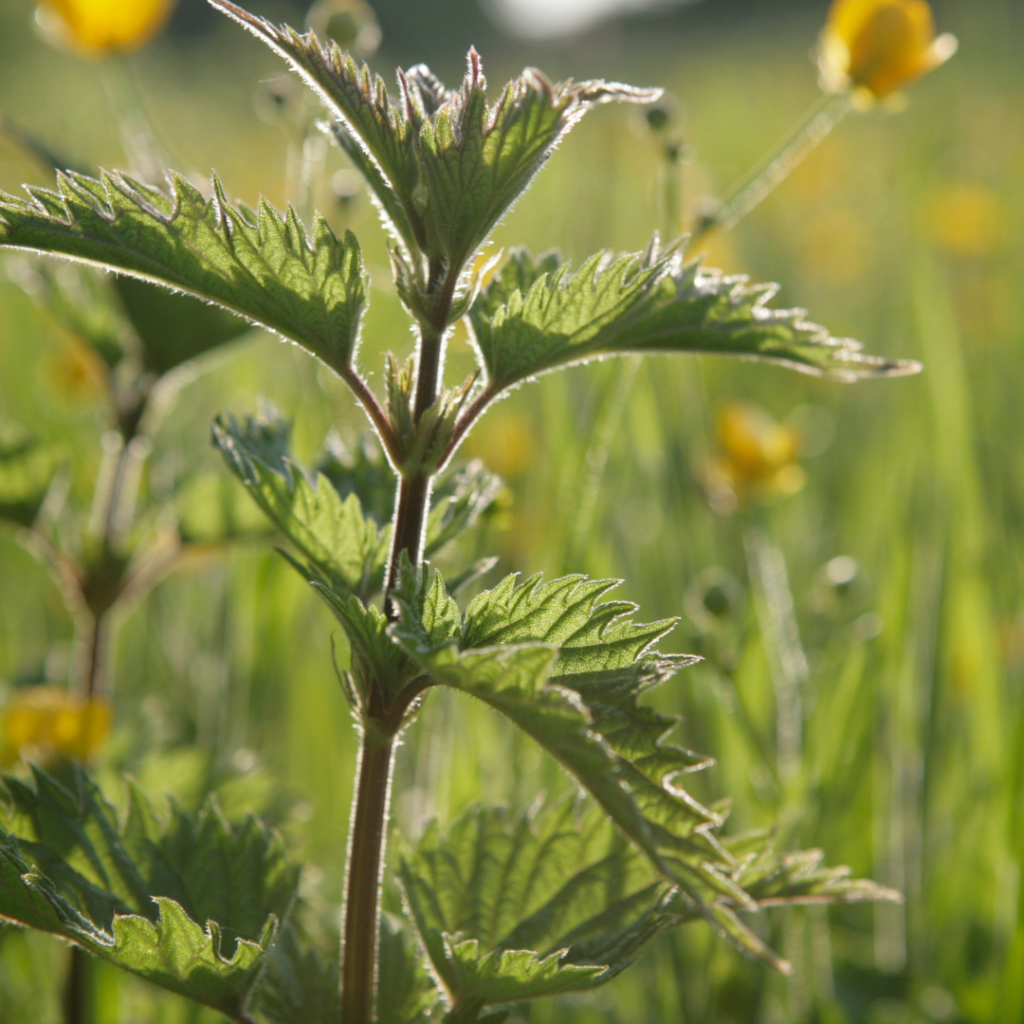
And it’s stinging nettles that closes out our list of the 10 easiest herbs to grow from seed for beginners.
Now you may be surprised to see stinging nettle on this list at all.
That’s because for many gardeners they see stinging nettle as a weed. But I challenge you to see it differently!
Here’s a few reasons why stinging nettle makes for a great herb:
- It’s incredibly nutrient-rich
- It’s a low-maintenance perennial, hardy to Zone 3
- It’s one of the first things you can harvest in early Spring across Canadian grow zones
- The big plants can provide habitat for pollinators and other beneficial insects
If you’re worried about stinging nettle becoming invasive and taking over your garden, try planting it in a container or raised bed instead.
How To Grow Stinging Nettle From Seed
Difficulty Level: Extremely easy and beginner friendly
Sun: Requires full sun, minimum of 6-8 hours of direct sunlight per day.
Planting: Direct sow seeds outdoors after any chance of frost has passed. Stinging nettles thrives in all soil types and can withstand drought-like conditions.
Growing: Stinging nettle is very low maintenance and does not require any special attention! Sunshine and water is all it needs.
Suggested Varieties:
And there you have it! Those are 10 of the easiest herbs to grow from seed for beginners.
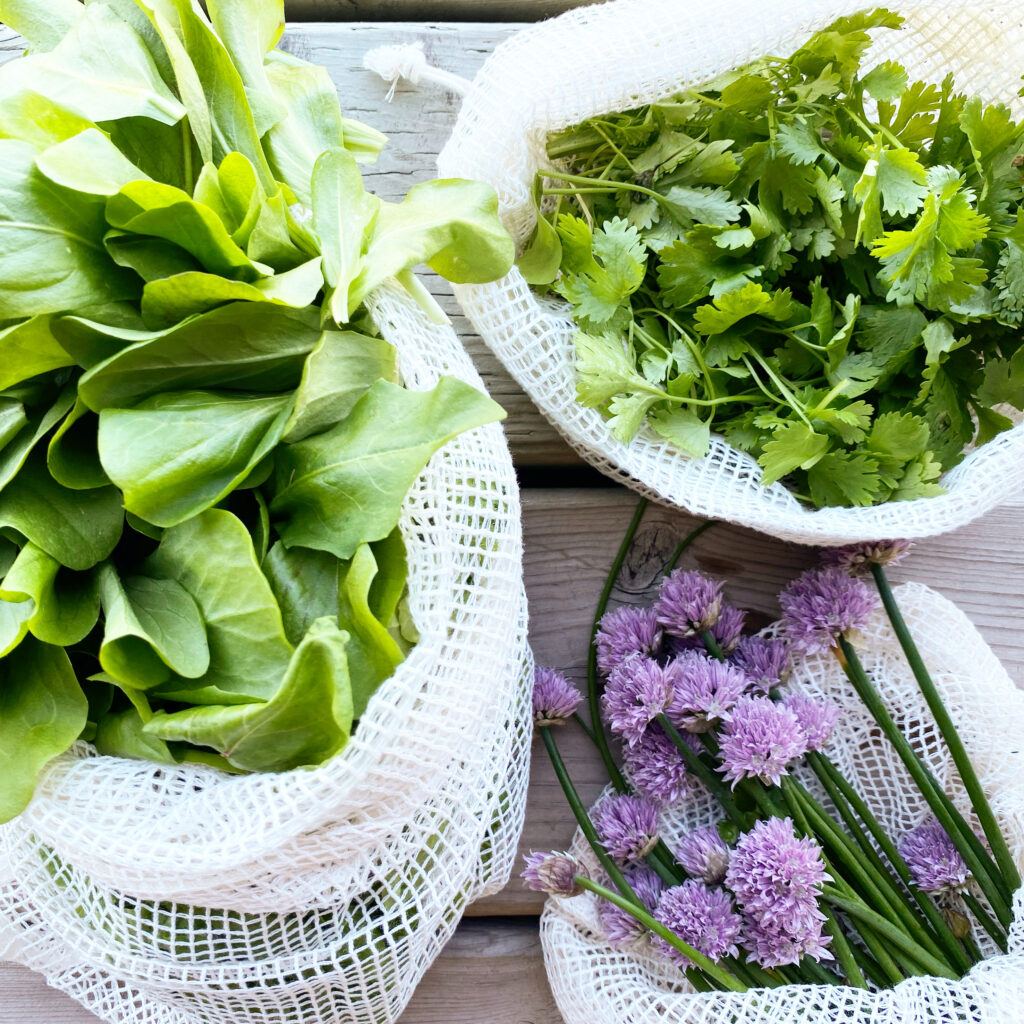
I hope you liked this post and found some inspiration for what to plant in your herb garden this season!
If you have discovered other easy-to-grow herbs, leave them in the comments! I love hearing from you and answer all comments.
You can follow @fromsoiltosoul on Instagram and Pinterest for more gardening content too.
love my borage and chamomile! self seeds everywhere and i love using it for fancy icecubes and teas. 2 of my favourite plants on the whole property.