
How to Grow A Tea Herb Garden in Canada: A Beginner’s Guide to Homegrown Herbal Tea

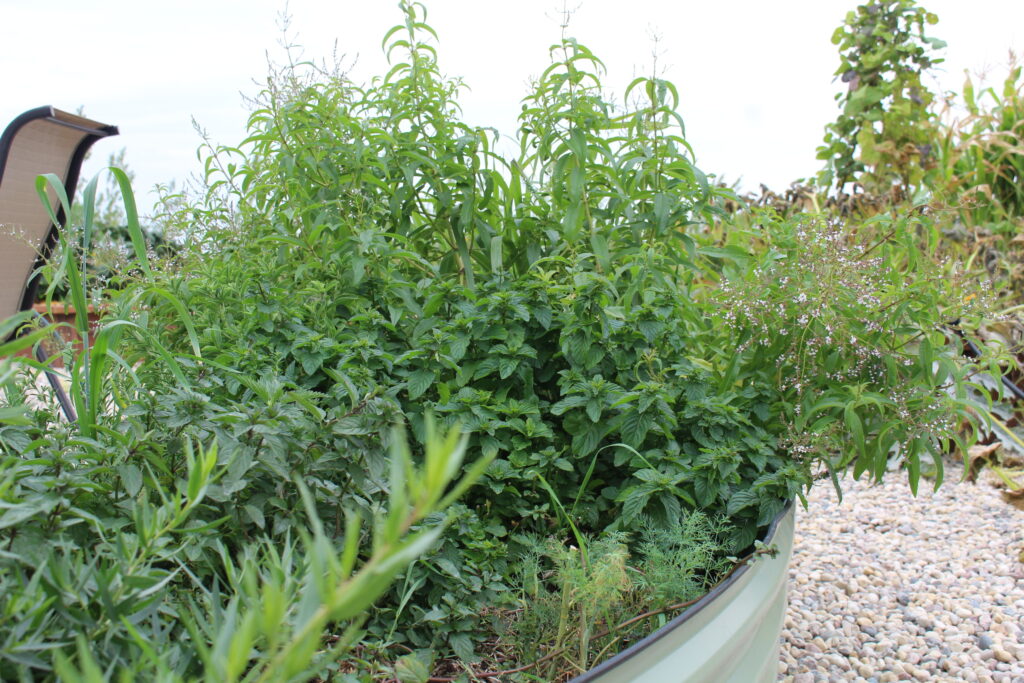
As a tea enthusiast, I’ve dreamt of growing my own tea herb garden for years! And I finally did so this season. Zero regrets! My herbal tea garden bed was one of my greatest joys. Not only is it easy to grow your own homegrown herbal tea. But these are herbs you can easily harvest from all season long. Then enjoy your homegrown tea with fresh herbs or dry them! So here’s everything we learned in doing so. Plus 25+ annual and perennial tea herbs you can grow in Canada. Consider this a beginner’s guide to homegrown herbal tea.
This post covers:
- What Is A Tea Herb Garden
- Can I Grow My Own Herbs For Tea In Canada
- How To Grow Your Own Herbal Tea Garden
- What Herbs Make The Best Homegrown Tea
- The Complete Tea Garden Plant List (30+ Herbs!)
- 15 Of The Best Annual Herbs To Grow For Tea In Canada
- 15 Of The Best Perennial Herbs To Grow For Tea In Canada
- The Best & Easiest Way To Dry Herbs For Tea (Our Go-To Tool!)
What Is A Tea Herb Garden
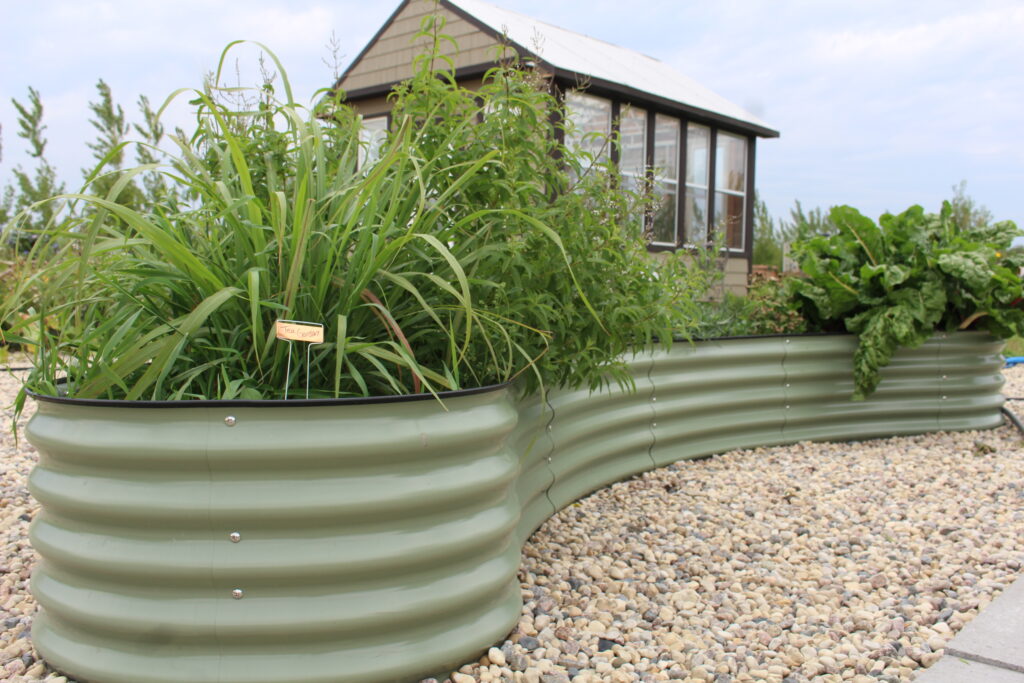
Imagine sipping a cup of tea you grew yourself. Sounds pretty great, right? Well that’s exactly what a tea herb garden will give you!
A tea herb garden is an area of your garden dedicated to growing herbs specifically for fresh or dried tea.
Whether you choose to grow annual or perennial herbs for tea, the choice is yours!
But the great thing is, you can customize your herbal tea garden to your preferences.
Personally, we love drinking mint tea during the Winter in our house. So growing a huge crop of mint was a must for our Zone 3 tea garden.
However, experimenting with more exotic flavours was also on our herb plant list. So we grew things like liquorice and cinnamon. More on that below!
So all in all, a tea herb garden can be customized to grow whatever type of tea you enjoy drinking.
Can I Grow My Own Herbs For Tea In Canada

Yes! There’s dozens and dozens (if not more) herbs you can easily grow at home for tea in Canada.
Plus, so many unique and unusual tea herbs that grow great in Canada.
Keep reading for my complete tea garden plant list, or click here to be brought straight to it!
Regardless of your grow zone, you’ll likely be able to grow any annual herb for tea. You can even grow exotic flavours like ginger, turmeric and lemongrass.
Of course, when it comes to growing perennial herbs for tea, it will be specific to your grow zone.
So be sure to look at the plant tag or seed packet to see what zone the herb is hardy to.
For example, here’s a few of the perennial herbs we grew for tea this year in our Zone 3 garden:
How To Grow Your Own Herbal Tea Garden
If you’re already en experienced gardener, then you’ll find it extremely easy to grow your own herbal tea garden.
And honestly, if you’re a beginner gardener you’ll likely find it easy as well!
Because growing herbs for tea is one of the easiest things to grow in a garden.
Tea herbs are easy to grow in Canada because most are cut and come again.
As in to say, you can plant them at the beginning of the season and get continuous harvests off them!
Plus, tea herbs don’t really need any special care throughout the growing season.
Aside from regularly waterings and adequate sunlight, tea herbs are pretty low maintenance.
If you’re looking to grow even more herbs for cooking, be sure to check out my blog 10 Of The Easiest Herbs To Grow From Seed For Beginners.
6 Easy Steps To Growing A Herbal Tea Garden
If you’re somebody who enjoys following a list, this is for you!
Here’s 6 easy steps to growing a herbal tea garden in Canada and other Northern regions.
Step 1: Choose your tea herbs
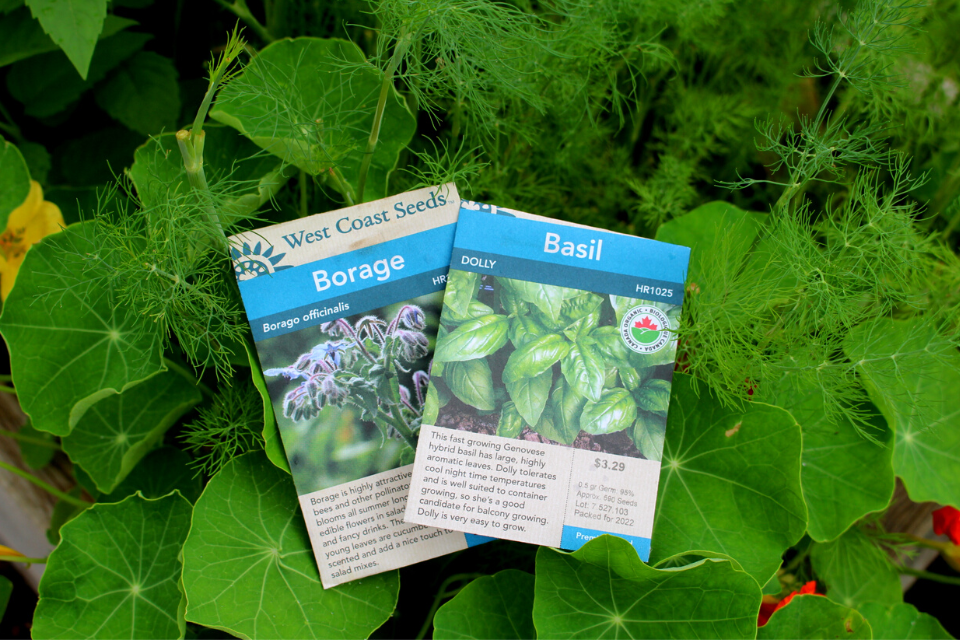
First, start by deciding exactly what herbs you want in your tea garden.
Again, this will come down to preference. And is totally up to you!
But starting with which herbs you want to grow and how many will inform where in your garden you should plant them.
I personally love buying my herbs from West Coast Seeds. They are Canadian, have great germination rates and a good selection of tea herbs.
And don’t limit yourself! Think outside of the box! There’s so many amazing tea herbs you can grow in Canada.
Step 2: Select where in your garden you’ll plant your tea herb garden
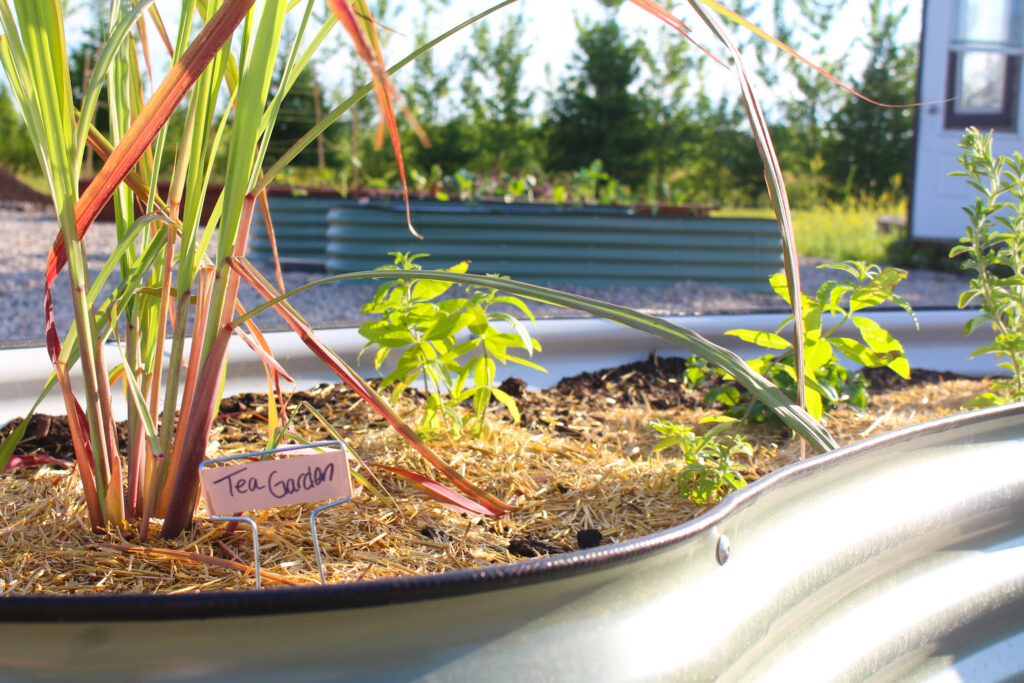
Next, choose where your herb garden will exist in your garden.
Choose the location based on the growing requirements of the tea herbs you’ve selected.
Note if they require full-sun, partial-sun or shade. And then use that information to find the place in your garden that best aligns.
In my experience, most tea herbs do well in full-sun. So it’s fairly easy to plant them all together!
I also like planting my tea garden in one designated spot as it makes harvesting easy.
However, if your herbs have different growing requirements, there’s no harm in spacing them out.
Step 3: Amend your soil
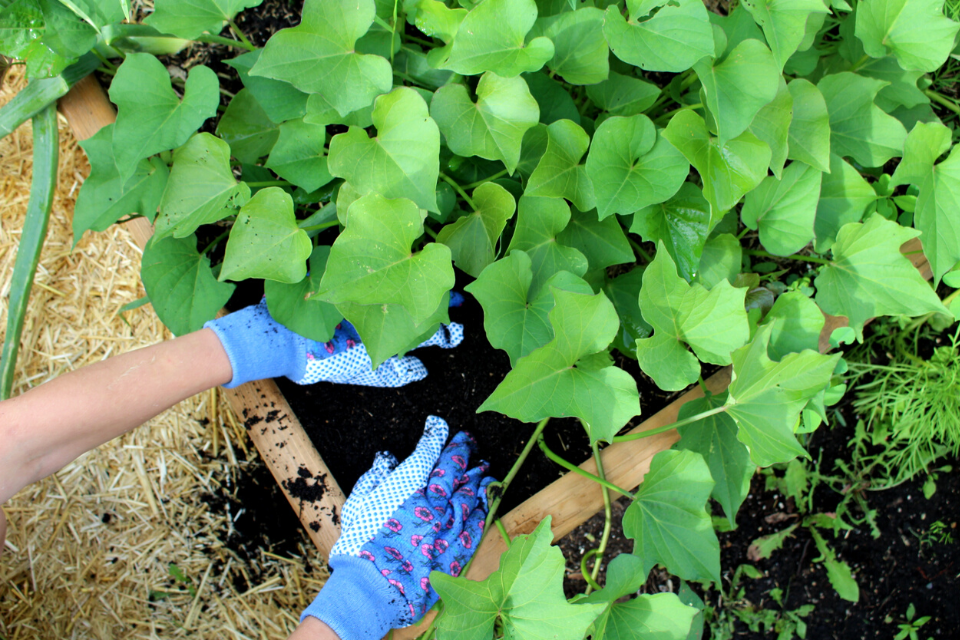
This is key! Amend your soil with compost and/or a little bit of all-purpose, organic fertilizer.
A little extra nutrients in your soil will set your tea herbs up for success all season long.
If you make your own compost at home, great! Definitely use that.
If not, a bagged compost is great too. I personally like using the brand Sea Soil. You could also add worm castings like these.
Thoroughly mix in your compost with the existing soil. And then sprinkle in a little granular fertilizer so it slow releases all season long.
Step 4: Transplant or direct seed your herbs
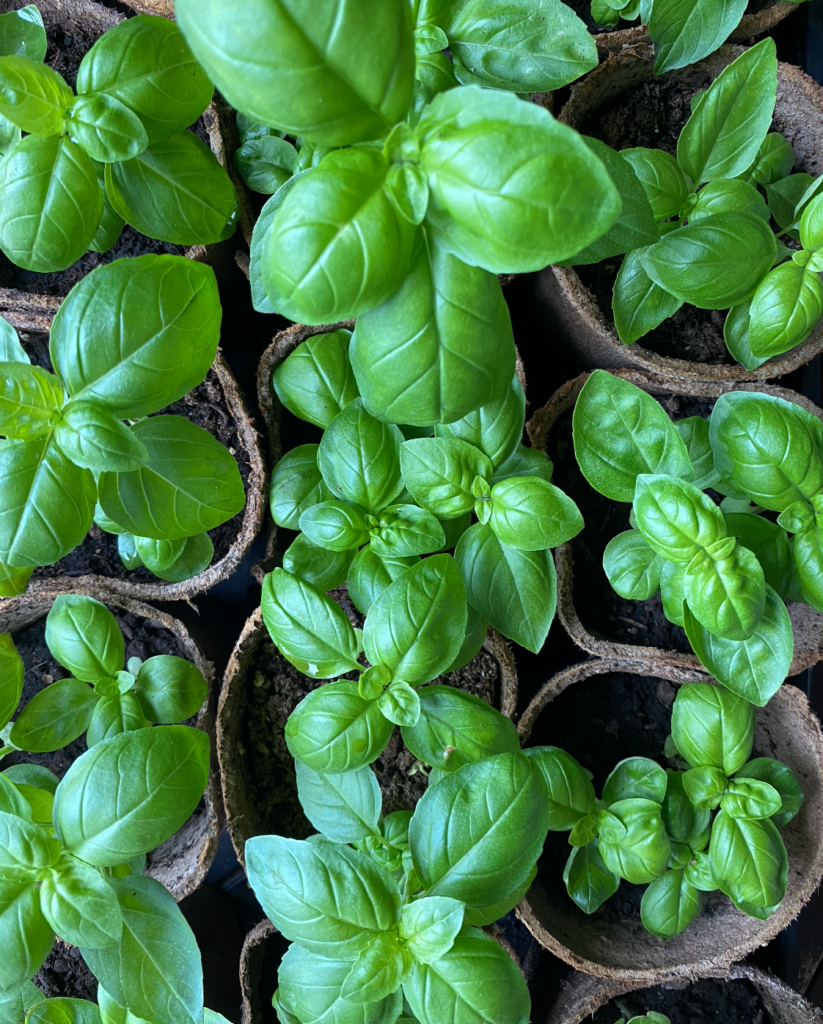
For harder/slow-growing perennial tea herbs, consider purchasing them as transplants from your local garden centre.
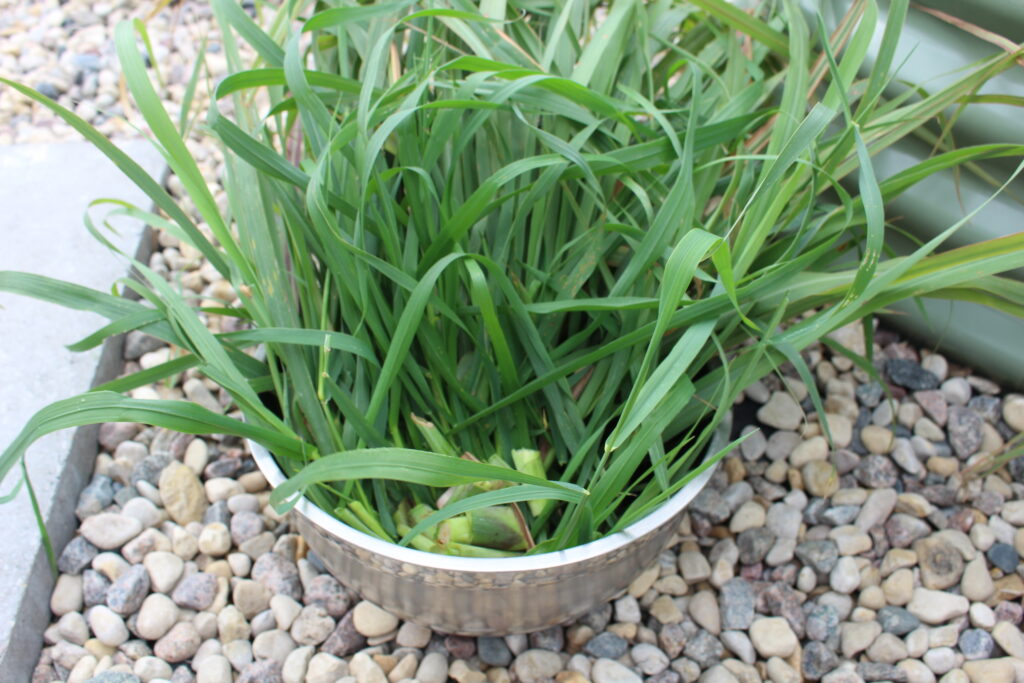
In my Zone 3 garden, that includes things like lemongrass, echinacea (coneflower) and marshmallow.
However, for easy-to-grow annual herbs I highly recommend direct sowing them.
Not only is it easy to do, but you’ll get way more “bang for your buck.”
From there, simply follow the planting instructions on the seed packet/plant tag. Be cautious of planting depth and if the plant has any specific care requirements.
Step 5: Tend to your herbs regularly
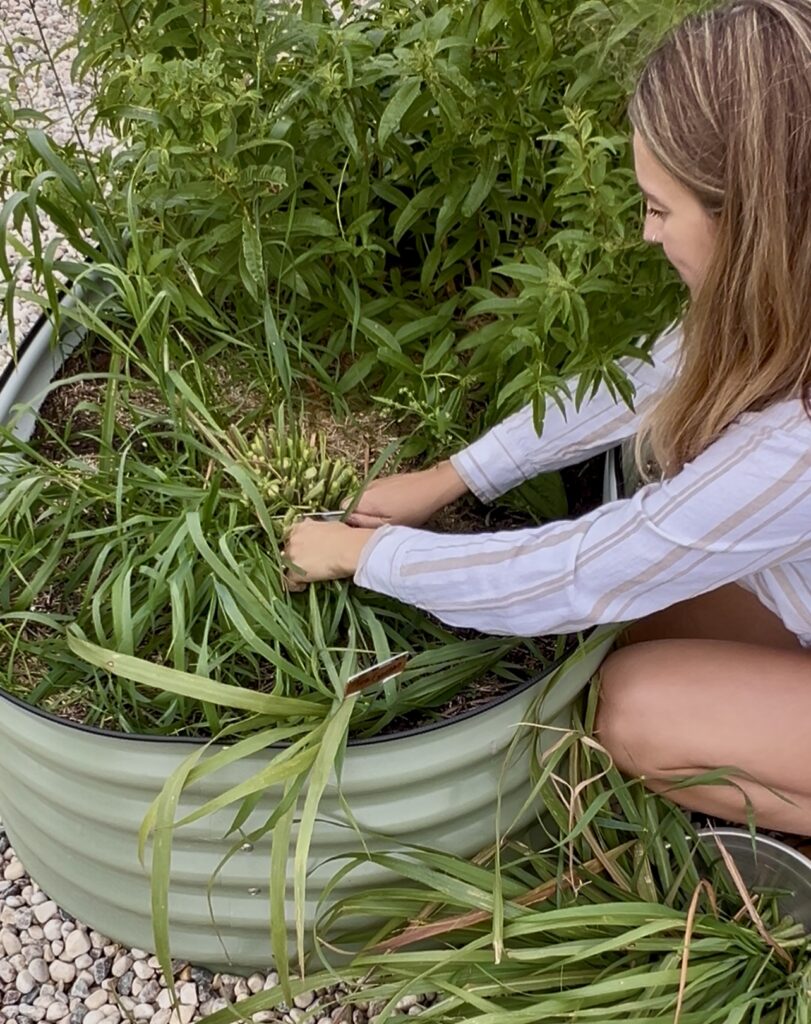
As mentioned, most herbs can be considered cut and come again.
Meaning you can get multiple harvests off the same plant throughout the growing season.
Further to that, a lot of herbs will put on more growth if regularly harvested. Yes, you heard that right!
For many herbs, the more you harvest the more growth them put on.
So be sure to get out there every few weeks (maybe even days!) and cut away.
Aside from harvesting, tend to your tea herb garden with regular watering and weeding.
If you’re noticing pest pressure, you could drape a fabric row cover over top of the bed. However, most herbs are pretty pest resistant.
There’s really not much else to it!
There’s so much to love about growing a herbal tea garden because honestly….it’s super easy!
Step 6: Harvest for fresh or dried tea
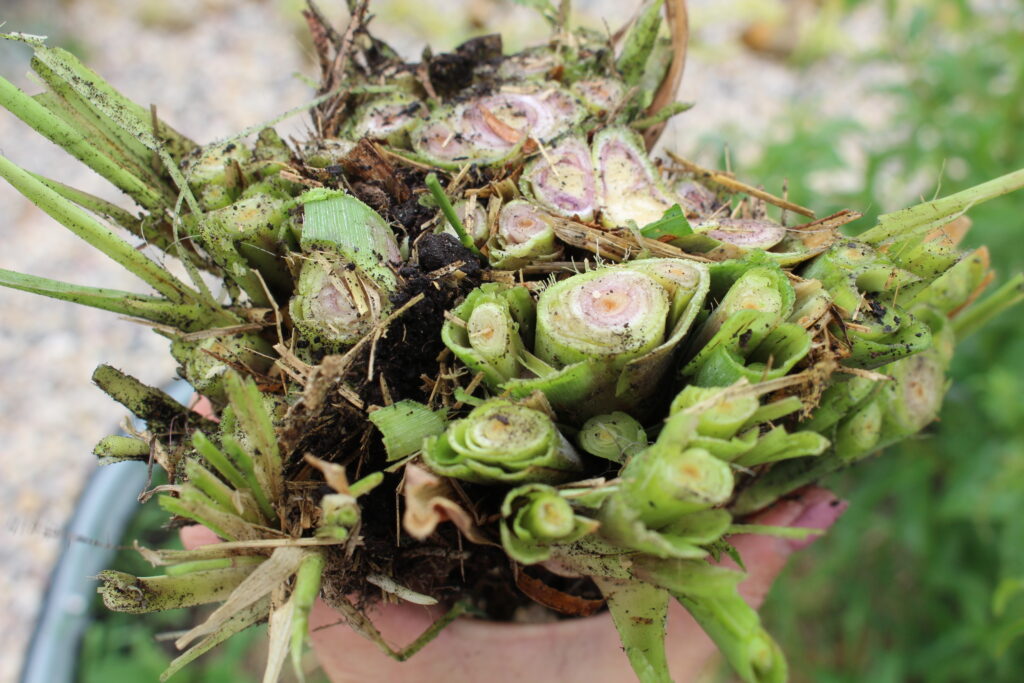
Lastly, harvest your tea herbs to use for tea (obviously!).
I really enjoy adding a mix of fresh herbs to a mug, a slice of fresh lemon, a little honey and then pouring hot water overtop.
It’s super simple and the flavours are so bright.
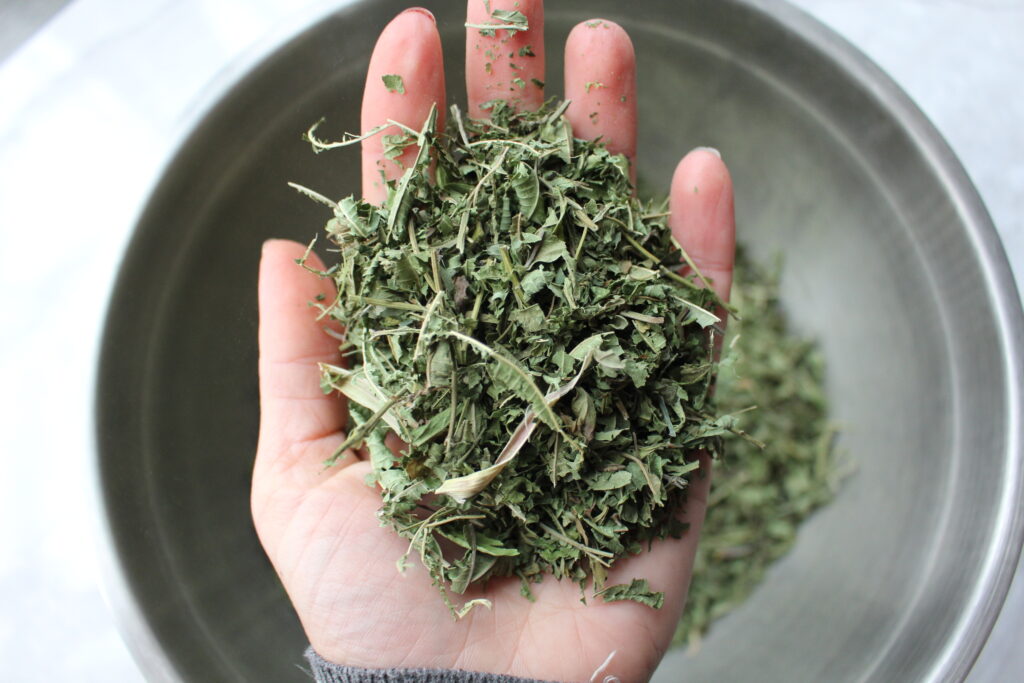
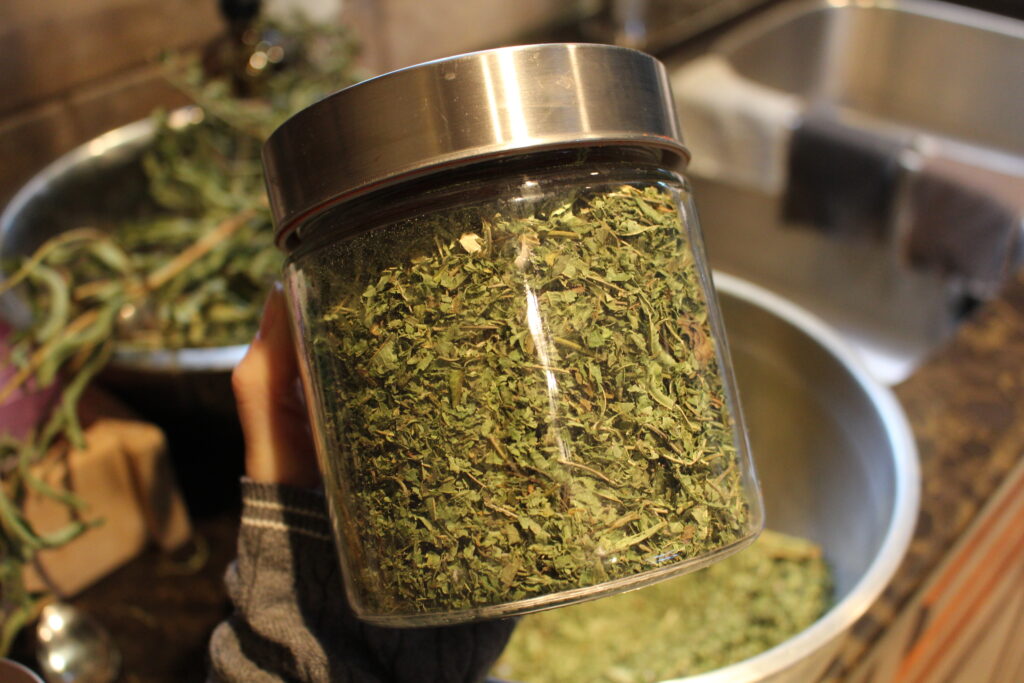
But you will also likely want to dry a good bulk of your garden tea herbs.
This way you’ll be able to use them over a longer period of time and store over Winter.
Keep reading for our go-to tool for drying herbs for tea. Or click here to be brought right there.
What Herbs Make The Best Homegrown Tea
This is completely subjective. What herbs make the best homegrown tea will be completely up to your preferences.
But here’s a few things to consider when choosing the right herbs to grow for your homegrown tea:
- Choose perennial herbs that will not only come back year after year but will also get larger, providing bigger harvests.
- Choose herbs that have healing properties.
- Choose herbs that are potent in flavour so you can use less while still getting an intense taste.
15 Of The Best Annual Herbs To Grow For Tea In Canada
Here’s a comprehensive list with links to 15 of the best annual herbs to grow for tea in Canada.
*Note: These are annual herbs in Zone 3-4. If you are in a warmer grow zone, some of these herbs may be cold tolerant as perennials.
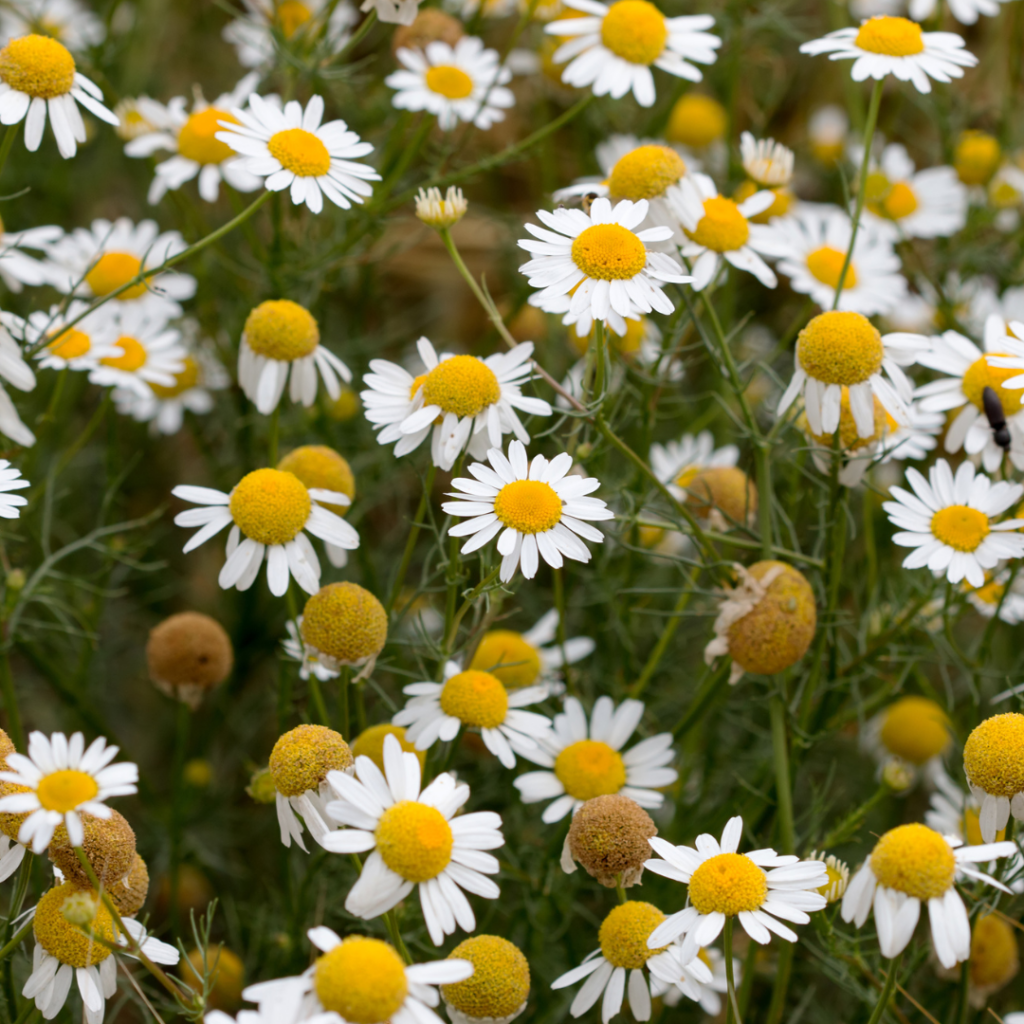
1. Chamomile — naturally reseeds each season!
2. Lemon Balm — incredible scent and flavour, plus really easy to grow here in Zone 3.
3. Cinnamon — tough to start from seed, so suggest buying as a started plant instead.
4. Basil — try a sweeter variety for tea, such as Holy Basil
5. Liquorice — great flavour from the roots, hardy as a perennial in Zone 7 and up.
6. Lemongrass — tough to start from seed, so suggest buying as a started plant instead.
7. Ginger & Turmeric — check out my post How To Grow Ginger And Turmeric in Canada.
8. Marshmallow Root — easy to grow from seed, incredible flavour + flowers.
9. Calendula — naturally reseeds each season!
10. Borage — foliage & flowers are edible!
11. Stevia — great option to naturally sweeten teas!
12. Rosemary — can be overwintered indoors, hardy as a perennial in Zone 8 and warmer.
13. Comfrey — slightly bitter but tons of health benefits (be cautious where you plant as it can become invasive)
14. Fennel — good alternative to growing liquorice, bulb can also be used for cooking.
15. Milk Thistle — naturally reseeds each season!
15 Of The Best Perennial Herbs To Grow For Tea In Canada
Here’s a comprehensive list with links to 15 of the best perennial herbs to grow for tea in Canada.
*Note: These are perennial herbs in Zone 3-4. If you are in a warmer colder zone, some of these herbs may not survive Winter.
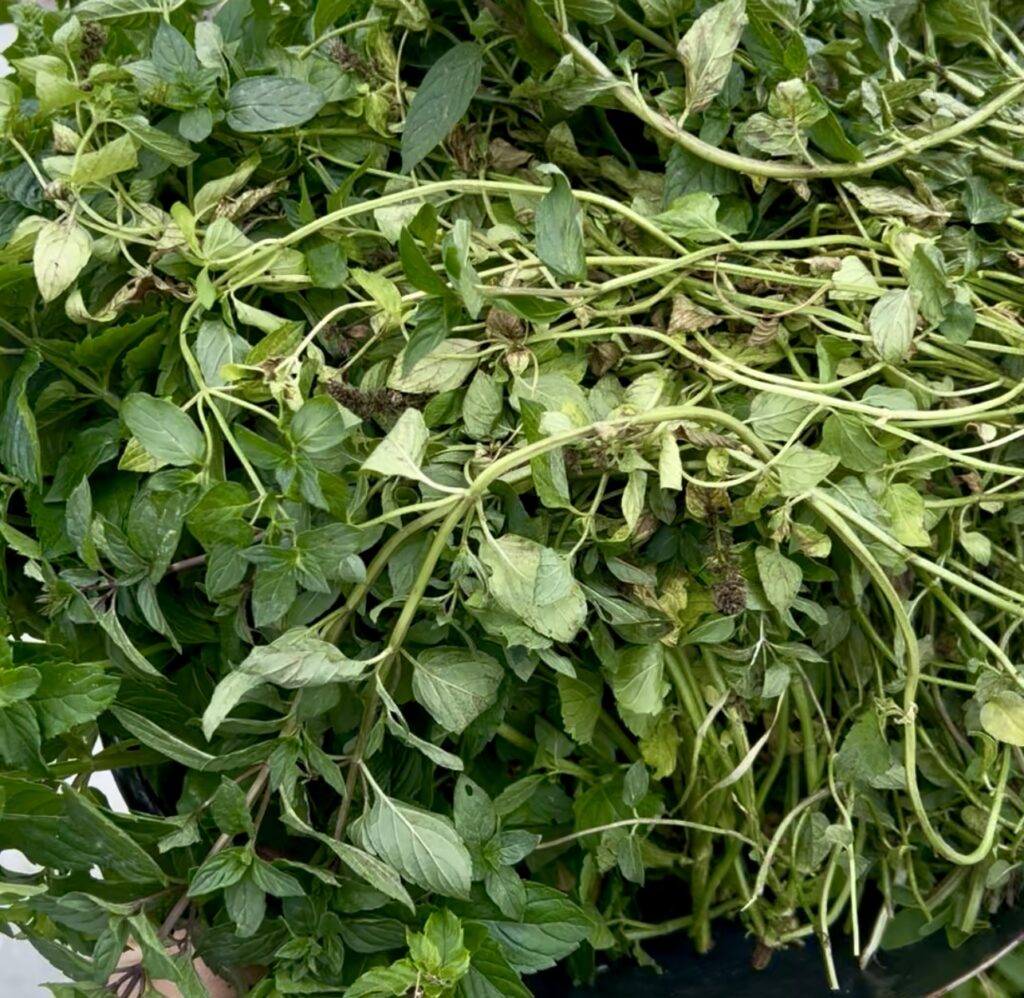
1. Mint — hardy perennial to Zone 3 and warmer.
2. Bergamot — extremely cold tolerant, could like be grown as a perennial even in Zone 2.
3. Sage — so many great varieties to choose from!
4. Yarrow — amazing health benefits, but has a bitter taste so best if mixed or enjoyed with honey.
5. Echinacea — fantastic and easy-to-grow Zone 3 perennial.
6. Arnica — strong flavour, so best mixed with other herbs for tea.
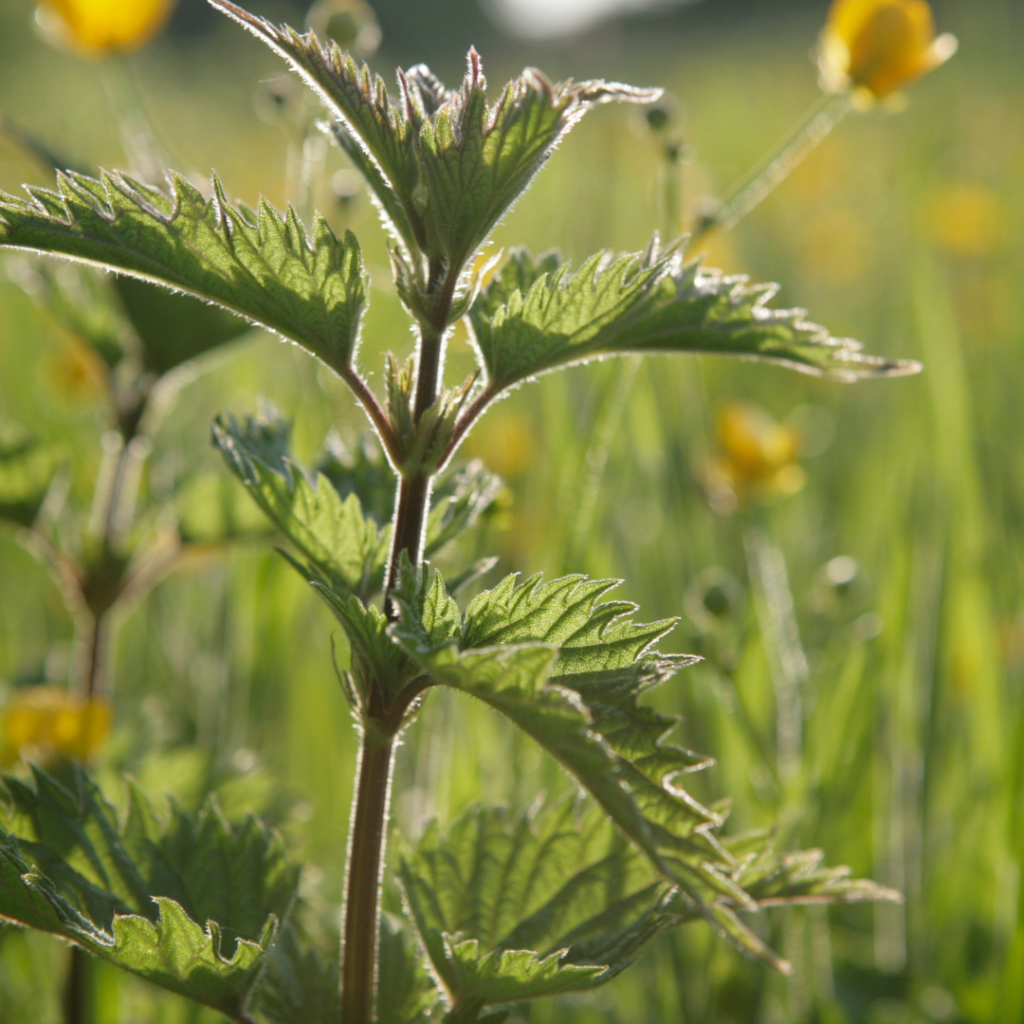
7. Stinging Nettle — strong flavour, so best mixed with other herbs for tea.
8. Saffron — hardy to Zone 5 and warmer, bulbs must be planted in the Fall.
9. Lavender — sometimes difficult to have as a perennial in Zone 3-4, be cautious with overwintering.
10. Cumin — sometimes difficult to have as a perennial in Zone 3-4, but will naturally reseed.
11. Red Raspberry Leaf — harvest from mature raspberry plants.
12. Goldenrod — strong flavour, so best mixed with other herbs for tea.
13. Anise Hyssop — amazing liquorice like flavour, and so easy to grow as a perennial in Zone 3 and warmer.
14. Dandelion — yes, weeds can work in herbal teas too!
15. Mullein — bitter taste but great benefits.
The Best & Easiest Way To Dry Herbs For Tea (Our Go-To Tool!)
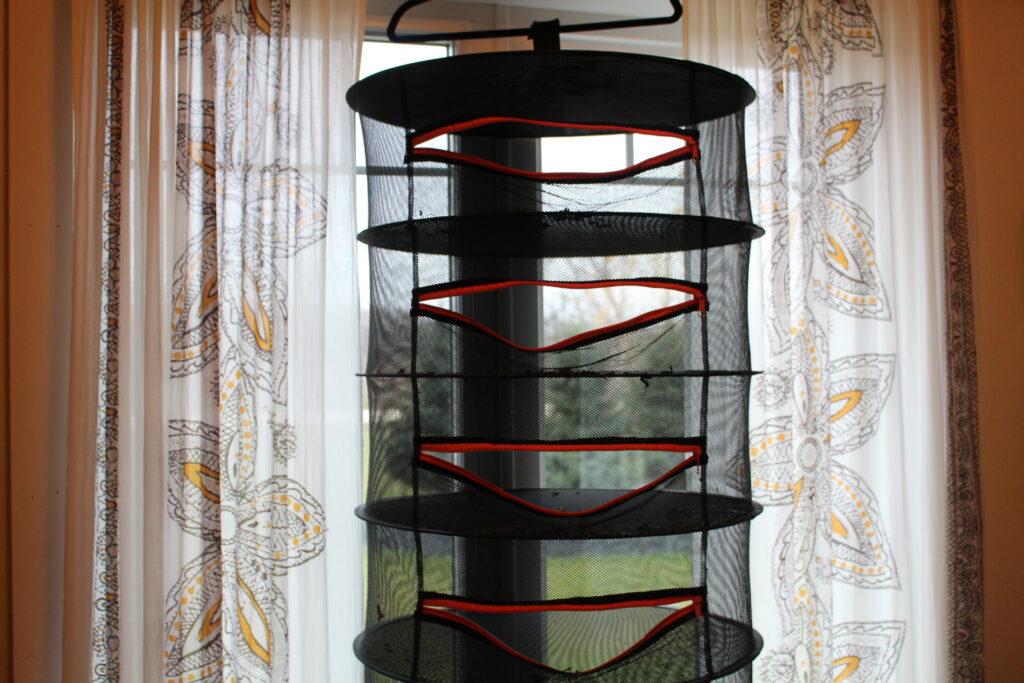
Now, there’s a lot of fancy contraptions you can buy for the garden.
And I tend to avoid most of them….because a lot of the time I just don’t find they’re worth it. Plus storing is annoying.
However we’ve found this one simple tool is the best and easiest way to dry herbs. And super easy to pack away in the off season!
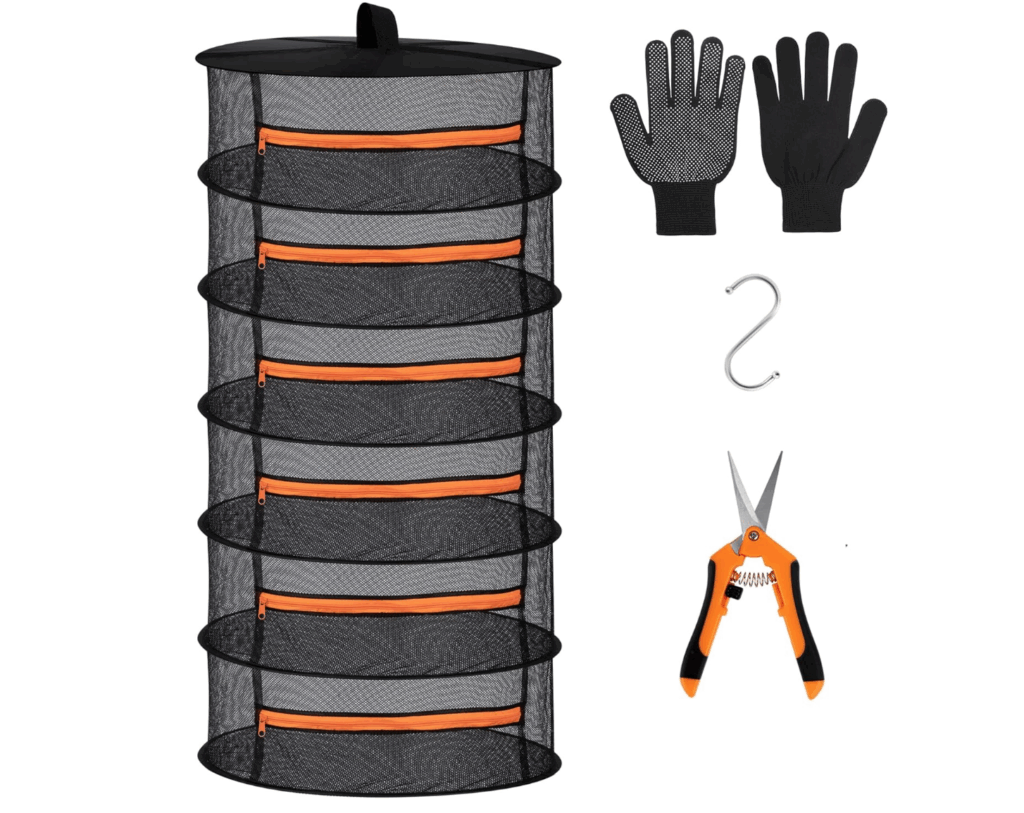
Most often, it seems this drying rack is used for cannabis. But it works great for drying tea herbs at home.
And it comes with this compact storage case. I just tuck it away on a shelf for Winter and it’s completely out of the way.
All you have to do is harvest your herbs and arrange them across the mesh layers.
Then hang the dryer in an area of your home that has lots of air flow. Be sure to place it away from moisture from say a humidifier or sink.
After just a few days all your tea herbs will have dried perfectly.
Next comes using your dry herbs in tea and storing them over Winter.
First, we love these unbleached empty tea bags. They’re easy to fill and come in a pack of 200.
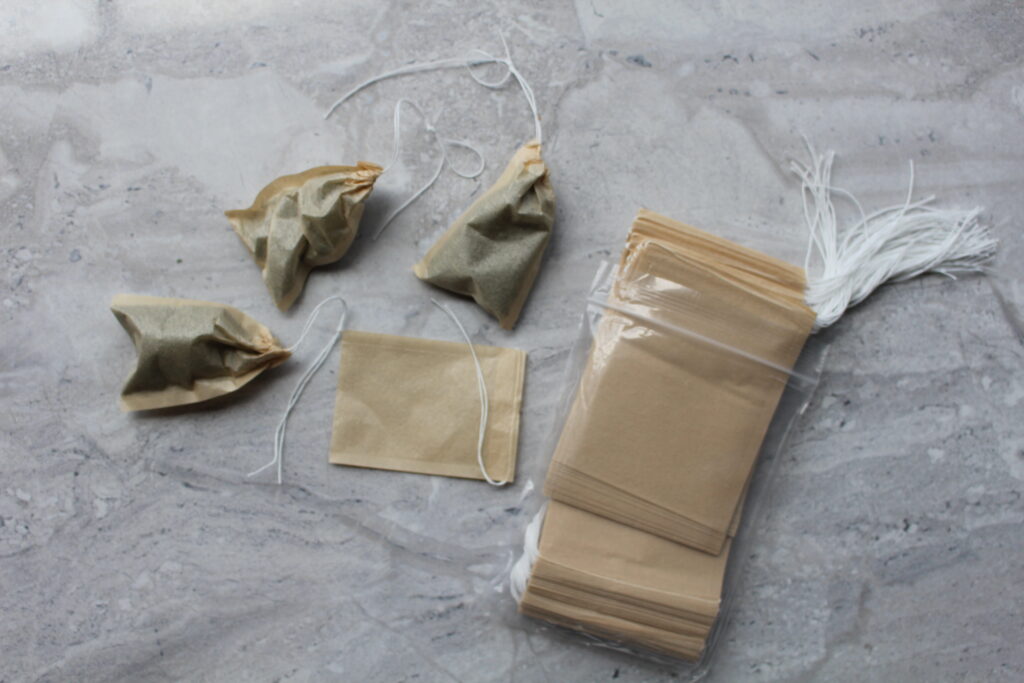
I add about 1 heaping tbsp of dry tea, lightly grinned herbs to each bag.
They don’t have a label on them but you could easily make your own. Either staple it to the end or use a non-toxic glue to glue it on.
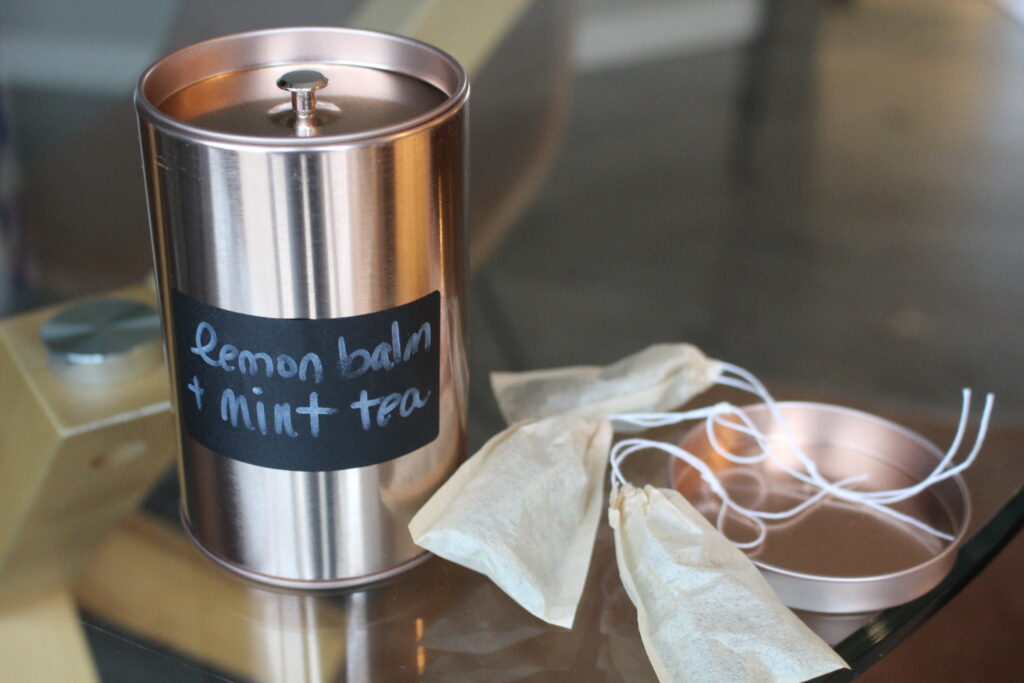
When it comes to storing, these tin containers are great!
They come in a 6 pack and have a secondary lid for a tight seal.
I actually put the tea bags in an additional plastic bag inside these tins. This is like a double guarantee to keep the tea fresh.
These tin containers would also make really lovely gifts. I mean, who wouldn’t love receiving homegrown tea?
And there you have it!
That concludes How to Grow A Tea Herb Garden in Canada: A Beginner’s Guide to Homegrown Herbal Tea.
I hope you enjoyed this read as much as I loved growing a herbal tea garden this season.
If you have any unanswered questions regarding growing your own backyard tea garden, be sure to comment below. I love hearing from you and answer all comments.
You can follow @fromsoiltosoul on Instagram and Pinterest for more gardening content too.