
20+ Flowers, Herbs, Veggies That Easily Self Seed In Zone 2-4
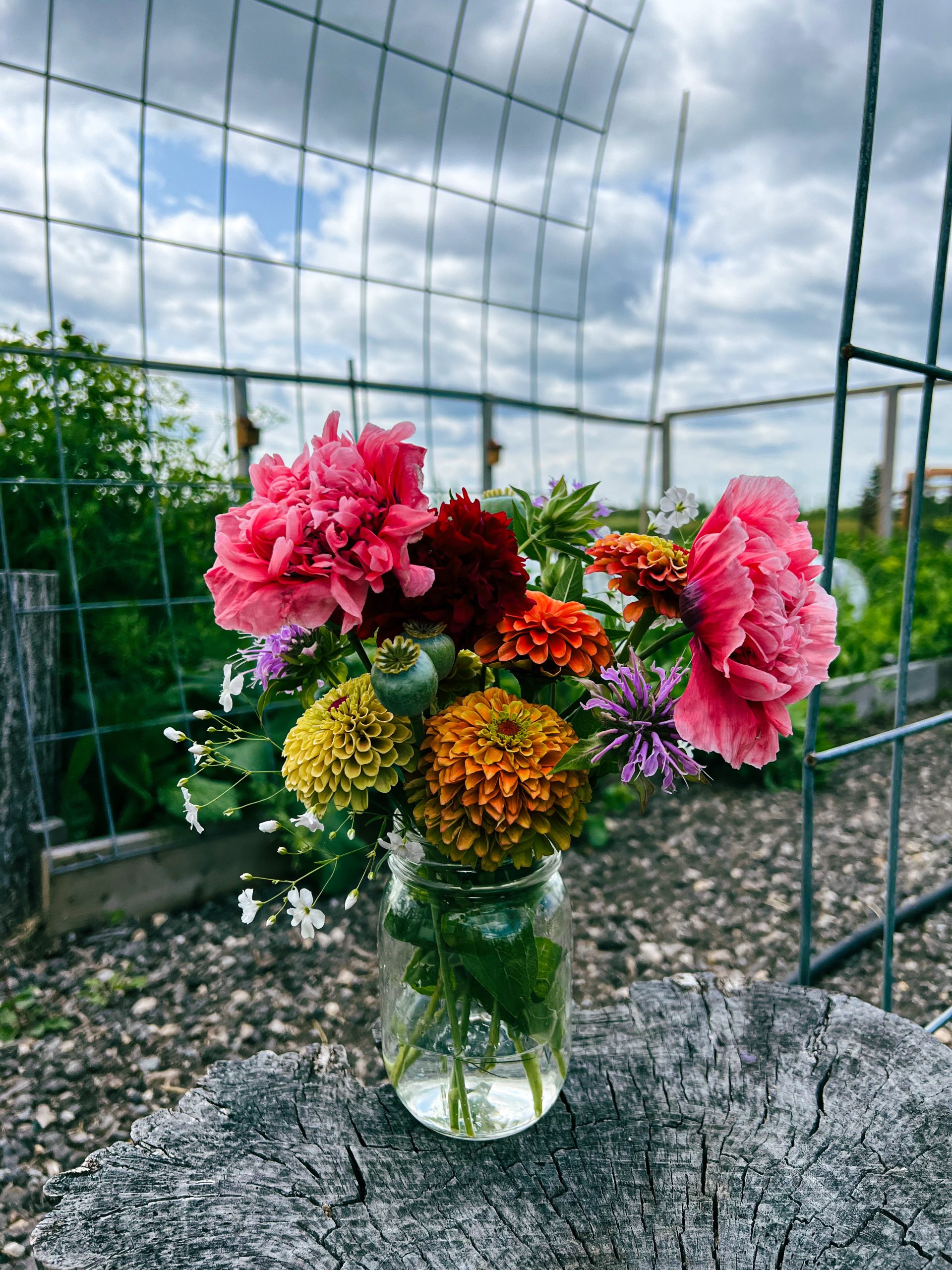
There’s nothing I love more than letting the garden do the work for me. As a self proclaimed “lazy gardener” it’s such a gift to watch what new flowers, herbs (and even veggies!) sprout in the Spring without having to directly sow them again. While some gardeners find self-seeding flowers a nuisance, I rejoice in them! Less work in the garden is a beautiful thing, right? This post covers 20+ flowers, herbs and veggies that easily self-seeding in Zone 2-4. I’ve even heard other gardeners share that some of these flowers on this list (borage specifically) will re-seed in grow zones as cold as Zone 0. How amazing is that?
*Note: As I’m editing this blog, I’m already thinking of dozens of more self-seeding plants I could add to the list. Here’s a few that come to mind:
- Sweet Alyssum
- Verbena Bonareinsis
- Pansies
- Morning Glories
- Cone Flower
- And likely many more!
Comment below if your fav self-seed/reseeding plant didn’t make my list!
Now, settle in and take some notes on what plants to add to your garden for next season.
Or on which ones you should leave in your garden this Fall to allow Mother Nature to do her work!
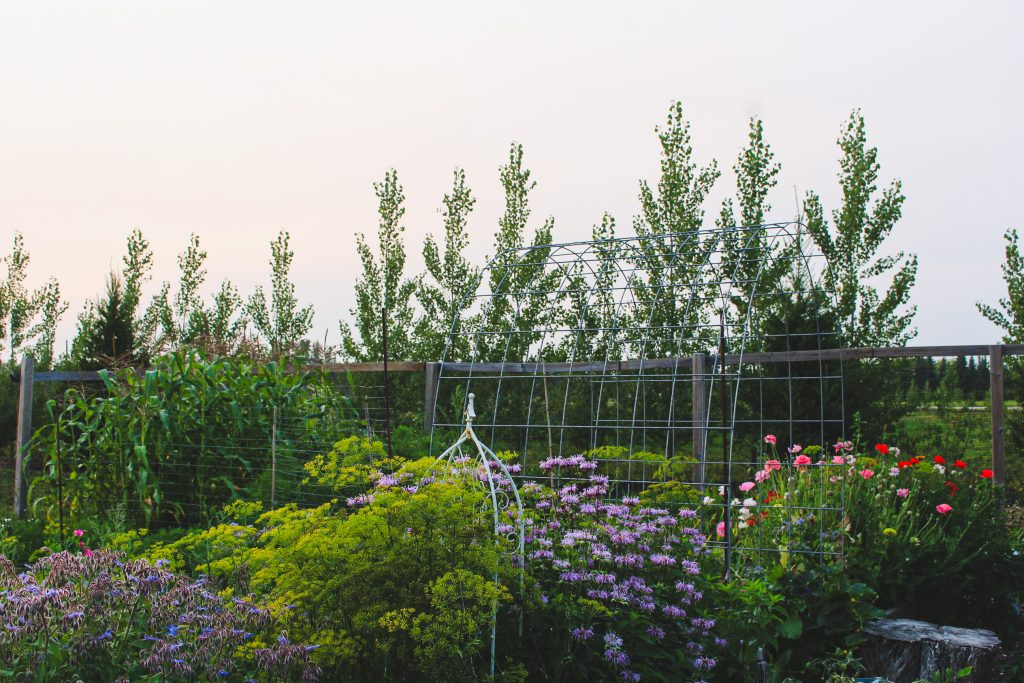
How To Get Plants To Naturally Reseed in Your Garden Next Season
Let’s start with the how…
How can I get my flowering plants (flowers, herbs and veggies) to multiply the following season without planting more?
Well, there’s four easy things I do to ensure my annual flowers reseed in Zone 3;
First, I don’t clean up my flowers in the Fall.
Instead, I leave the entire plants in the ground so the seed heads can fall to the soil to reseed. Easy as that.
Plus this saves you from doing more Fall garden clean-up, so it’s a win-win! Further more, leaving plants in your garden over Winter provides shelter for insects and pollinators.
Next, I help Mother Nature along a little bit.
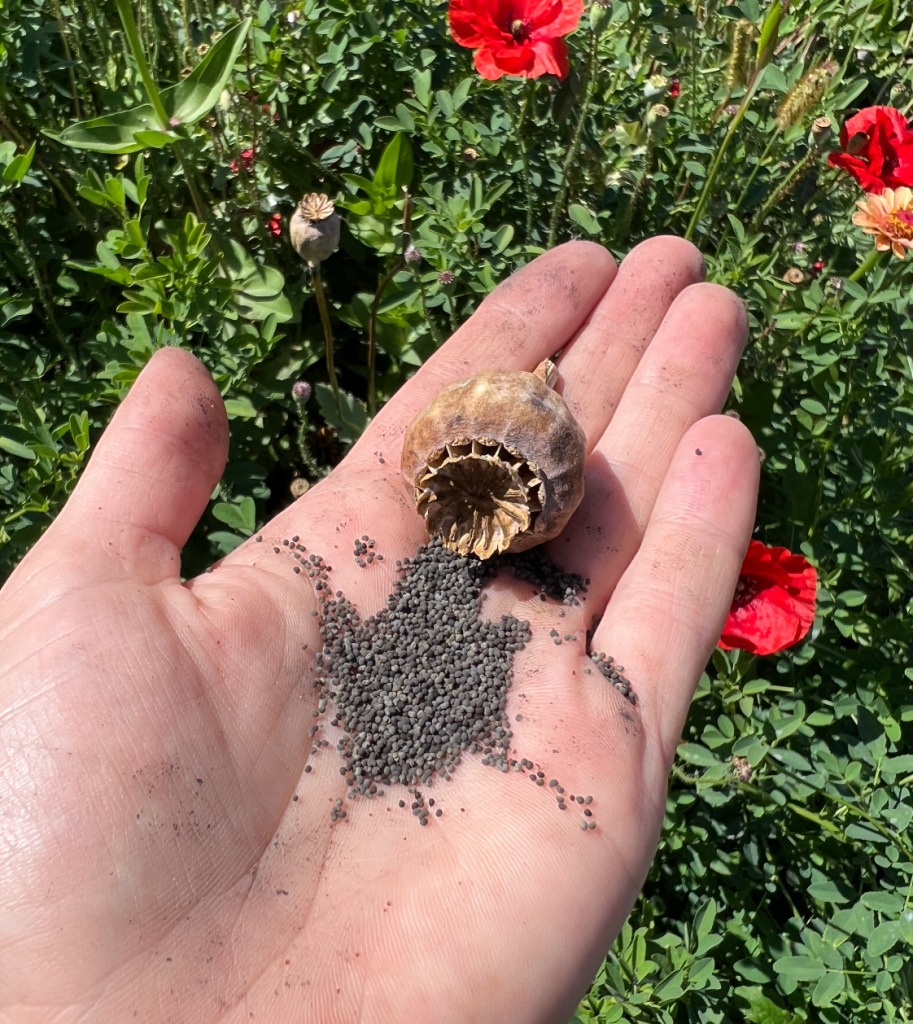
I’ll break open some seed heads and pat them into the soil.
That’s the second step to this and really easy to do with flowers like poppies (pictured here).
The third step is mulch.
In the Fall, I like to put down a layer of straw mulch to protect the soil from the harsh Winter elements.
I’m cautious with not laying too much mulch where my flowers are reseeding so that they don’t get smothered and/or displaced.
Instead the mulch adds more organic matter, texture and richness to your soil. Which in turn helps your flowers reseed the following year!
Finally, the last step happens in the Spring.
I avoid doing any initial weeding in these areas.
This way I don’t pull up any flowers that are germinating.
You could put some stakes in the ground around the area where your flowers are reseeding to be sure not to pull them up while weeding.
And that’s it!
It’s really so easy to let flowering plants reseed each season without much work at all!
Are Self-Seeding Flowers And Perennials The Same Thing?
No, self seeding flowers and perennials are not the same thing and here’s why.
Self seeding flowers can be either perennial or annual plants that have seed heads that die and drop to the soil at the end of the season.
It’s those newly fallen seeds that will reseed the following year.
This is unlike perennials as the original root of the plant is no longer living.
For annual self-seeding flowers, the plant’s lifecycle is just one growing season.
But for perennial self-seeding flowers, the plant’s lifecycle can go on for many years with the plant going dormant during the Winter and coming back each Spring.
However, perennial and annual flowers can reseed themselves! Great news for your garden.
Now let’s get into the best self-seeding flowers, herbs and veggies for Zone 2-4!
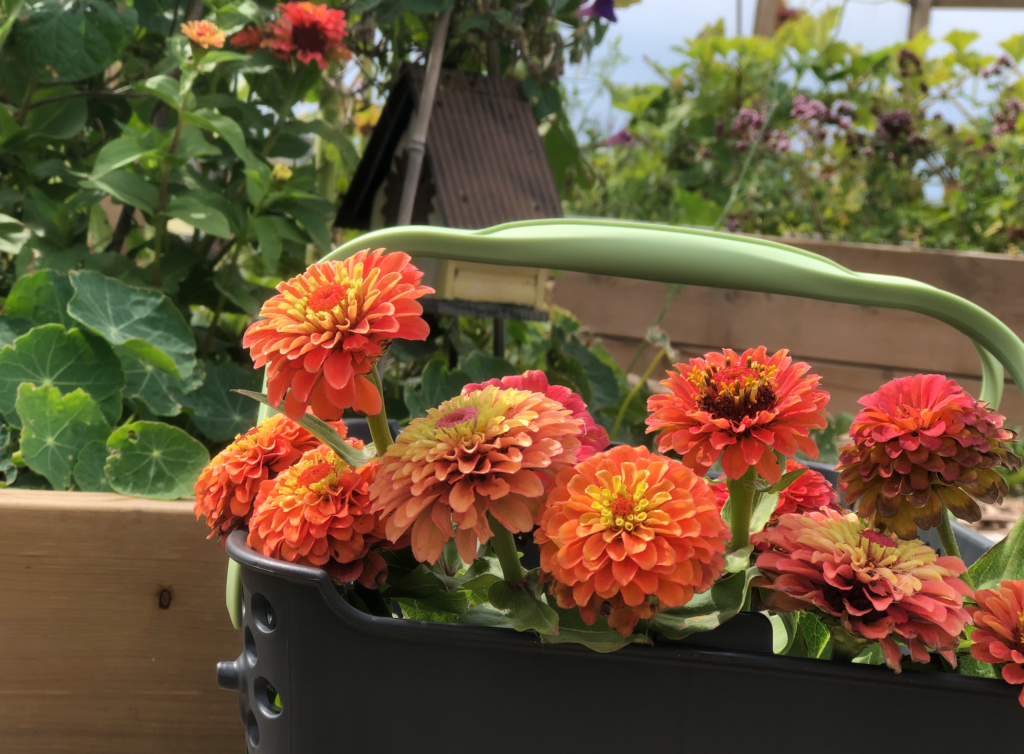
First, I need to preface this list by stating…just because a plant can reseed doesn’t necessarily mean you want it to.
This is key if you are a cold climate, Northern gardener like myself. And especially important for reseeding vegetables.
Why?
Because many plants will reseed the following season if you let them. Yet they won’t have enough time to produce fruit in our short growing season.
I’m thinking of things that might drop fruit, such as ….
- Tomatoes
- Ground cherries
- Peppers
- Winter squash
- Melons
- Cucumbers
These are all plants that need to be started indoors weeks before your last Spring frost.
So pro-tip: if you see these baby plants popping up in the Spring, pull them out!
There’s also one major thing that makes the above list plants different from the rest of our list…
These are plants that may reseed from dropping fruit. So tomatoes, peppers, etc..you didn’t get around to harvesting.
However this list is specific to plants that produce flowers and then drop those flower seeds. So naturally self-sowing plant.
Now let’s get into our 10 Best Lists Of Self-Sowing Plants For Zone 2-4!
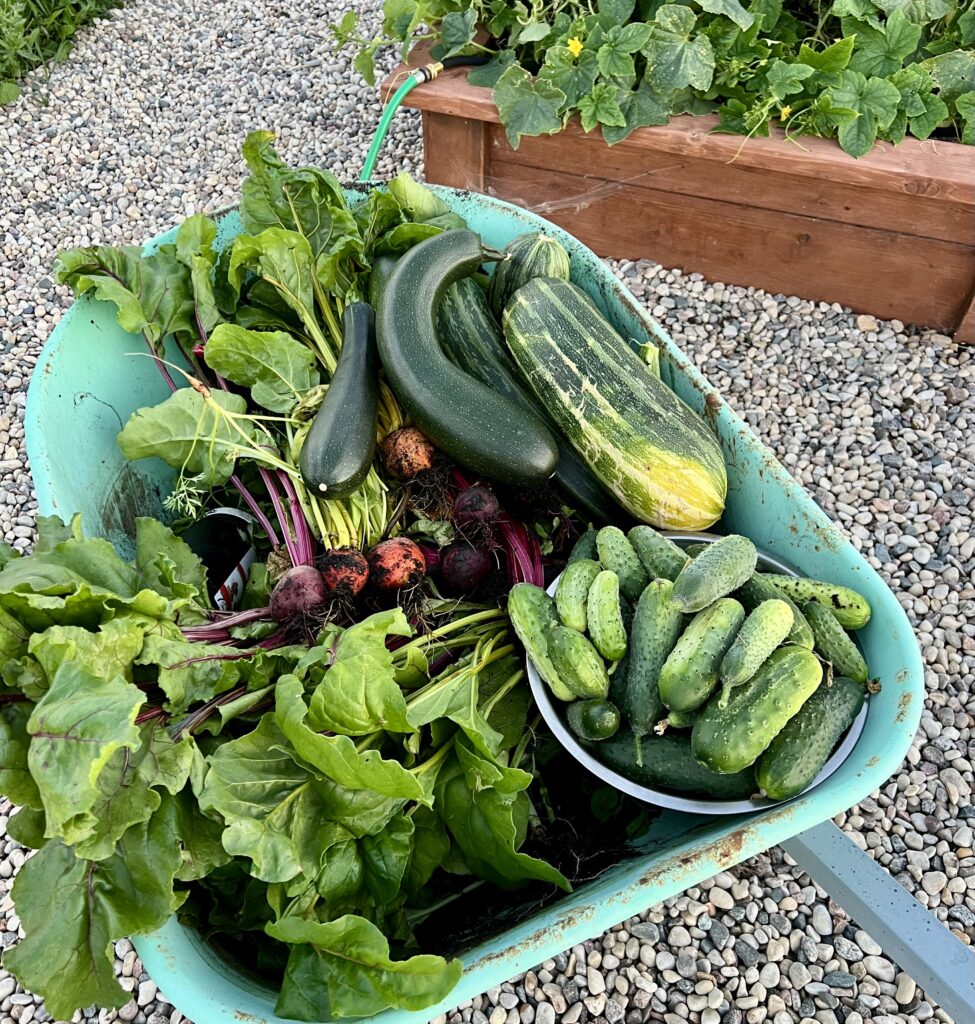
3 Of The Best Self-Sowing Vegetables For Northern Gardens
Let’s start with vegetables, shall we?
As I mentioned, there are many vegetables that will reseed if you let them.
But in a cold climate garden (specifically Zone 2-4) you have to be careful.
So these are the 3 best self-sowing vegetables you can let grow into mature plants and get fruit from!
1. Carrots/Parsnips
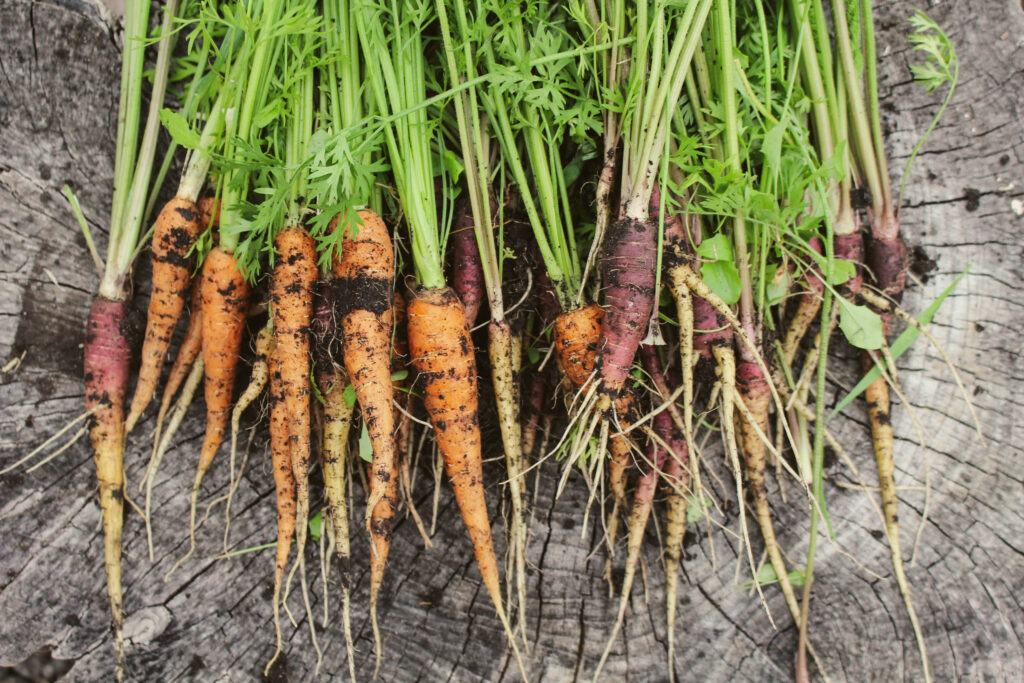
This one may come as a shock to you! But yes, carrots will flower and can naturally reseed in Zone 2-4 gardens.
Carrots are actually a biennial. This means they will only flower in their second year.
So you have to work pretty hard to get flowers to naturally reseed. But it is possible!
To have self-sowing carrots, you’ll want to leave the entire carrot plant in the ground throughout Winter. Yes, it will survive!
Then the following season, treat them as you would any other plant (regular water, weeding, etc..). They will then begin to put on flowers. You can either collect these seeds for seed saving. Or let them drop to the ground and self-sow.
Pretty cool, right? But definitely requires some patience!
2. Broccoli/Cauliflower
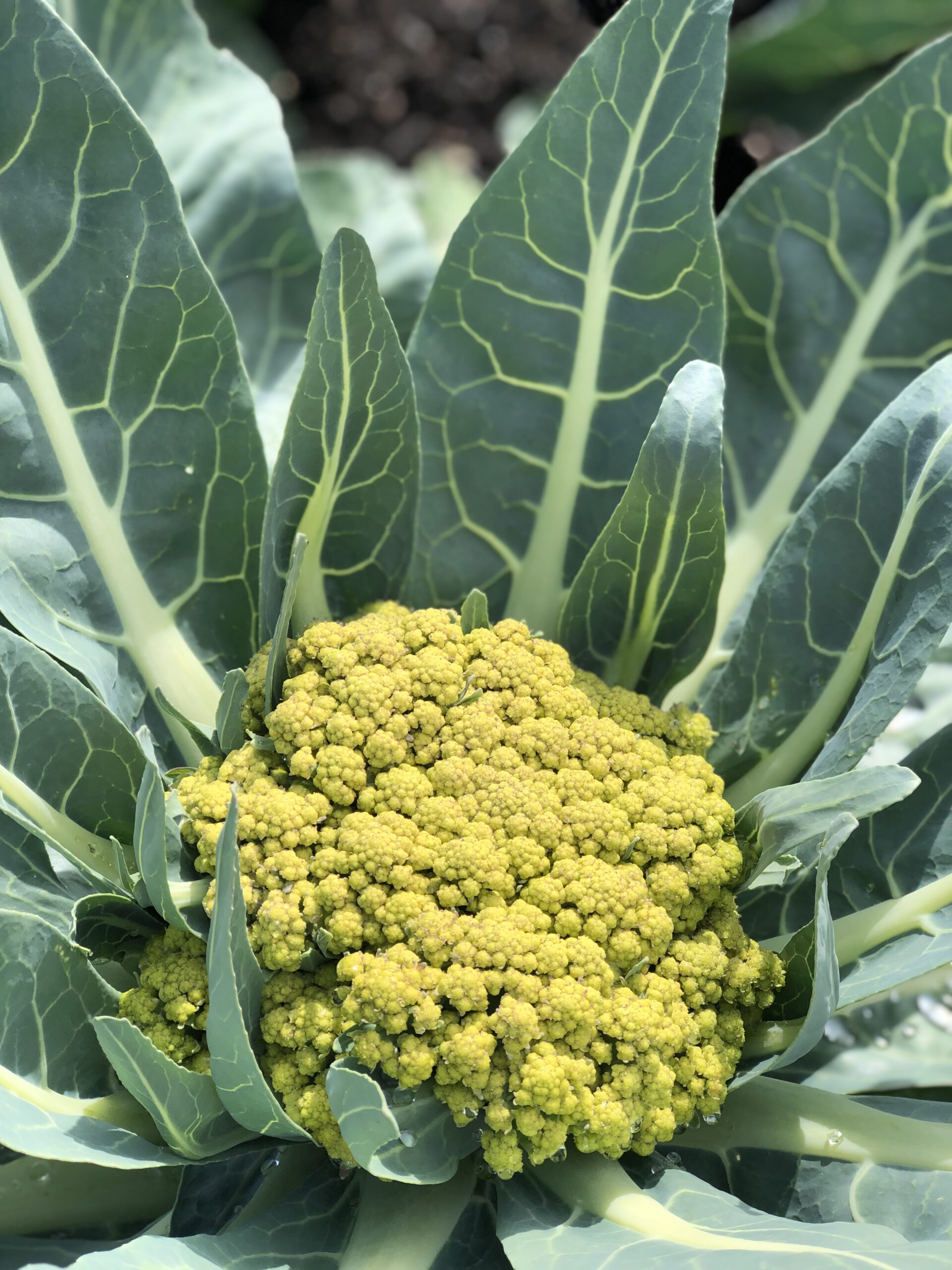
Now I was just as shocked as you to see baby cauliflower and broccoli seedlings popping up in my garden without having seeded them.
But here’s the even more amazing thing. These self-seeded plants actually did better than the broccoli/cauliflower I started indoors and transplanted out. These are cold-loving crops that thrive when naturally reseeded.
So here’s how you can get your broccoli and cauliflower to self-seed in Zone 2-4.
First, you’ll have to let the plant go to flower. Which is tough because it means you don’t get to harvest it! But it’s worth it.
After flowering, let it naturally drop its seeds around the base.
Now if your broccoli/cauliflower flowers early in the season (May-July), you may be able to get a self-sown second harvest that same year.
But if it doesn’t flower until the late Summer/early Fall, it will be the following season that you’ll notice seedlings emerging.
Either way, it’s a win-win! More food, for less time, money and work!
3. Lettuces/Salad Greens
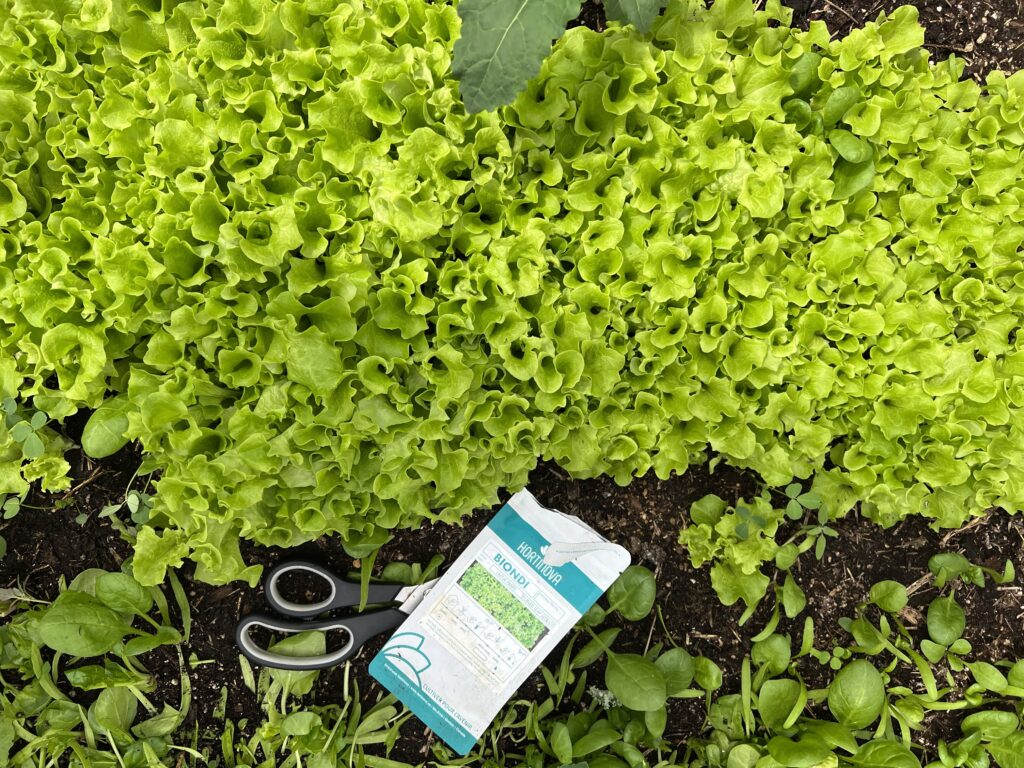
Last but not least on our list of self-seeding vegetables is lettuces and salad greens. And luckily these are the easiest vegetable to get to reseed naturally.
If you’ve grown lettuce before, you know it can be quick to bolt and flower in hot weather. Which isn’t always great for your harvest. But in this case, is great for reseeding.
So when you see your salad greens starting to bolt. Let them! They will quickly put on flowers. And those flowers will drop down seeds that will naturally reseed.
I’ve even had head lettuce self-seed twice in one season. Meaning I planted lettuce only once but had three harvests from it!
Now, there are a few salad greens that will eventually flower but not necessarily in one growing season here in the North. Those are…
- Kale
- Swiss Chard
- Spinach
- Collard Greens
16 Of The Best Self-Sowing Herbs For Northern Gardens
Next is herbs! There’s actually tons of self-sowing herbs that will naturally reseed each season in Zone 2-4.
Again, the trick here is to not harvest the entire herb plant. But instead let it go to flower and drop seeds naturally.
So here’s an extensive list of all the best self-sowing herbs for northern gardeners!
Perennial Reseeding Herbs For Zones 2-4
- Chives
- Wild Bergamot
- Mint
- Anise Hyssop
- Stinging Nettle
Annual Reseeding Herbs For Zone 2-4
- Dill
- Cilantro
- Parsley
- Chamomile
- Lemon Balm
- Oregano
- Marjoram
- Savory
- Stevia
- Calendula (also falls into the flower category, more below!)
- Borage (also falls into the flower category, more below!)
10 Of The Best Self-Sowing Flowers For Northern Gardens
Alright, let’s finally look at the best self-sowing flowers.
Here are 10 of the easiest and best flowers that will reseed themselves each season even in cold climate gardens like Zone 2-4.
1. Calendula (Calendula officinalis)
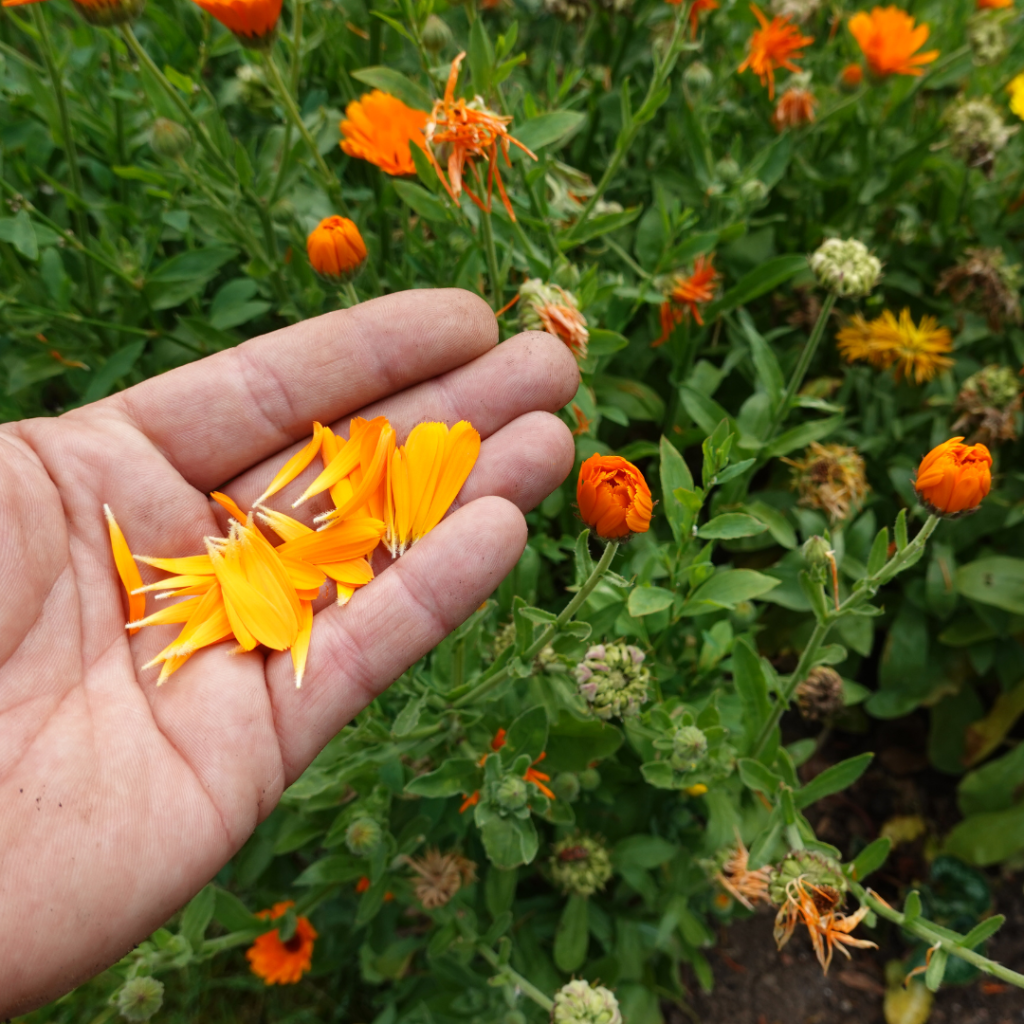
Calendula is one of my fav hardy annuals to grow in Zone 3 not only because it will easily self-seed each season, but because of its medicinal properties. I love infusing into oil and then using on my skin throughout Winter. Plus you’ll really easily impress friends by gifting them your own homemade garden body care.
I love planting a mixed variety of calendula seeds so that I have a sea of orange and yellow as they continue to reseed.
In my garden, calendula flowers throughout most of the season. I’m often deadheading spent blooms and dropping them to the ground, meaning there are lots of seeds dropping to the soil consistently throughout the season. This leads to my calendula multiplying ten fold each year!
In my opinion, calendula is a must-grow self-seeding flower especially if you’re in a cold climate.
2. Cosmos (Cosmos bipinnatus)
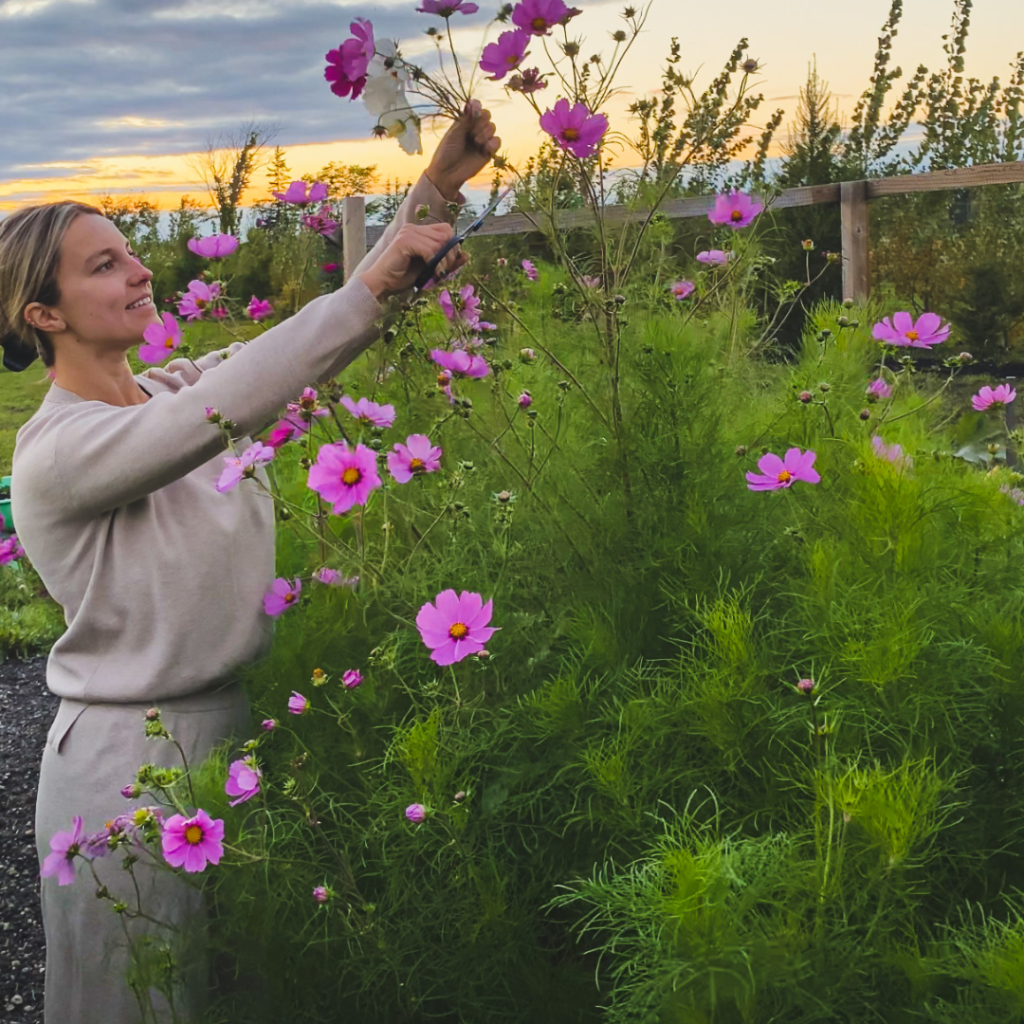
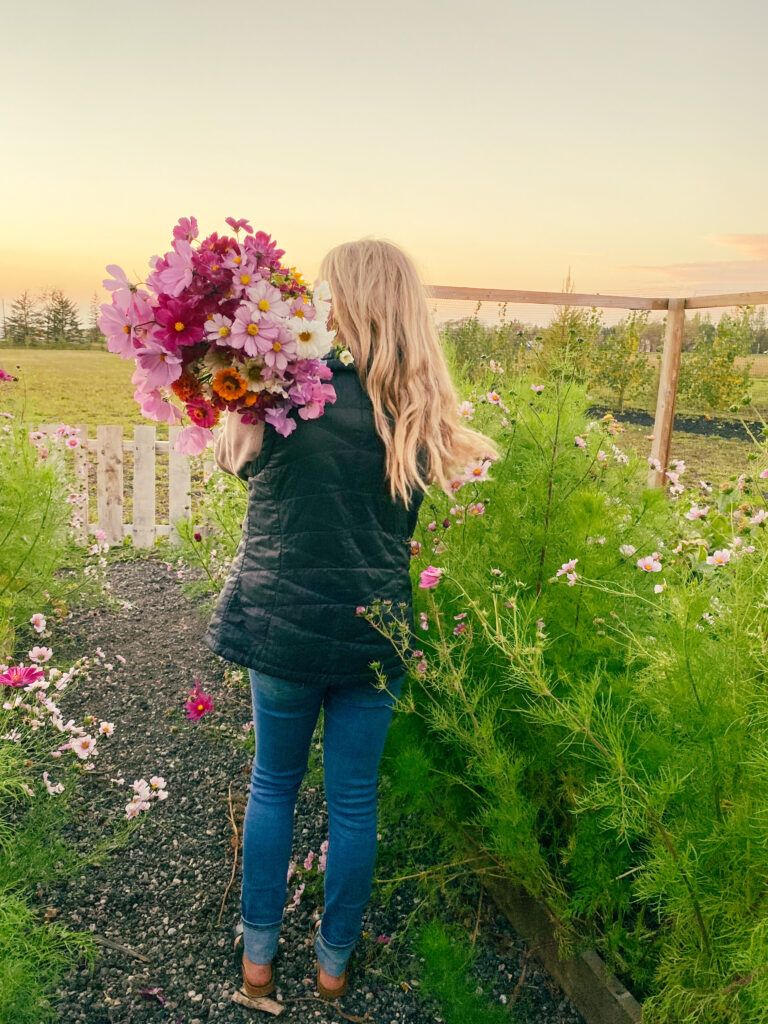
I am completely in love with growing Cosmos and have let them re-seed along my garden walkway each season, resulting in these massive 5 feet tall plants as you can see above!
Cosmos are so easy to grow, heat-and drought-tolerant, making them a perfect choice for low-maintenance gardens.
Pro-Tip: Cosmos actually prefer poor to average soil, as rich soil can lead to excessive foliage and fewer blooms.
So avoid fertilizing or amending your soil where you plant your cosmos. I think this is the reason they do so well along my garden path where the soil is somewhat neglected.
3. Black-eyed Susan (Rudbeckia hirta)
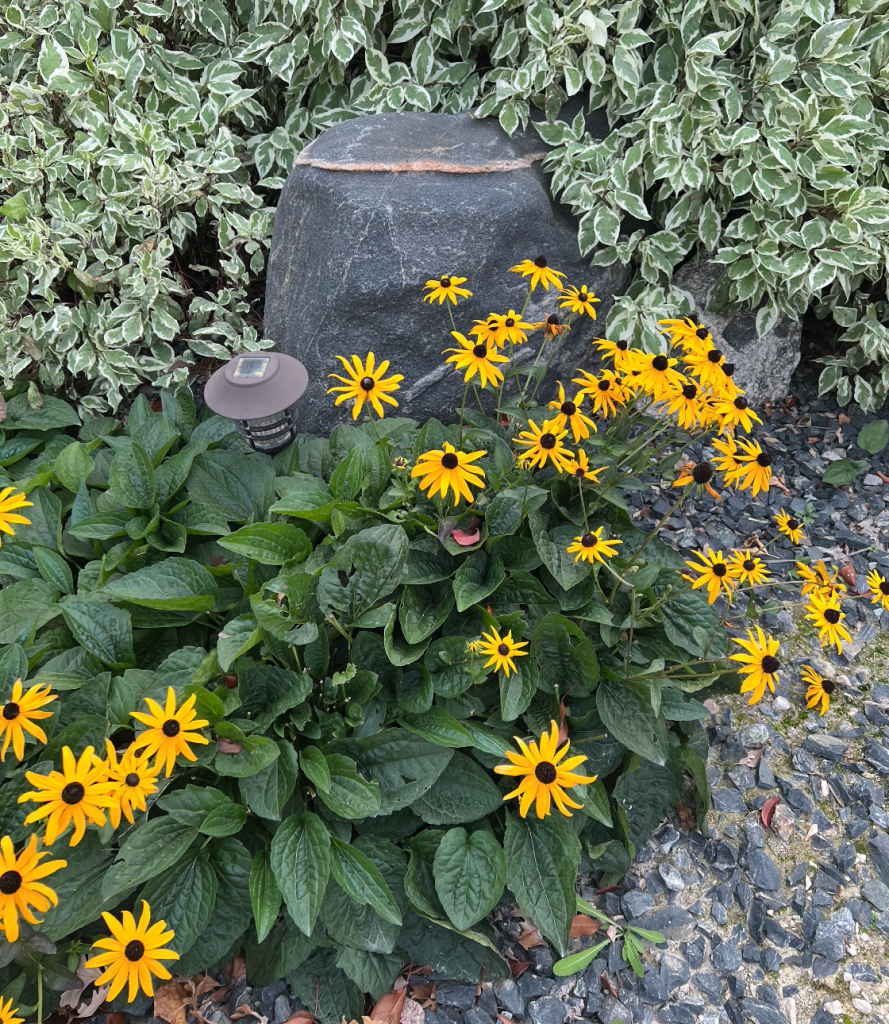
We recently landscaped our front entryway with a few black eyed susan plants and wow are they ever prolific! They have self-seeded like crazy already and make for lovely cut flowers in bouquets.
Black eyed susan’s are perennials in Zone 3 so while they will reseed, the original plants will also come back each season. A win-win if you ask me.
4. Poppies (Papaver spp.)
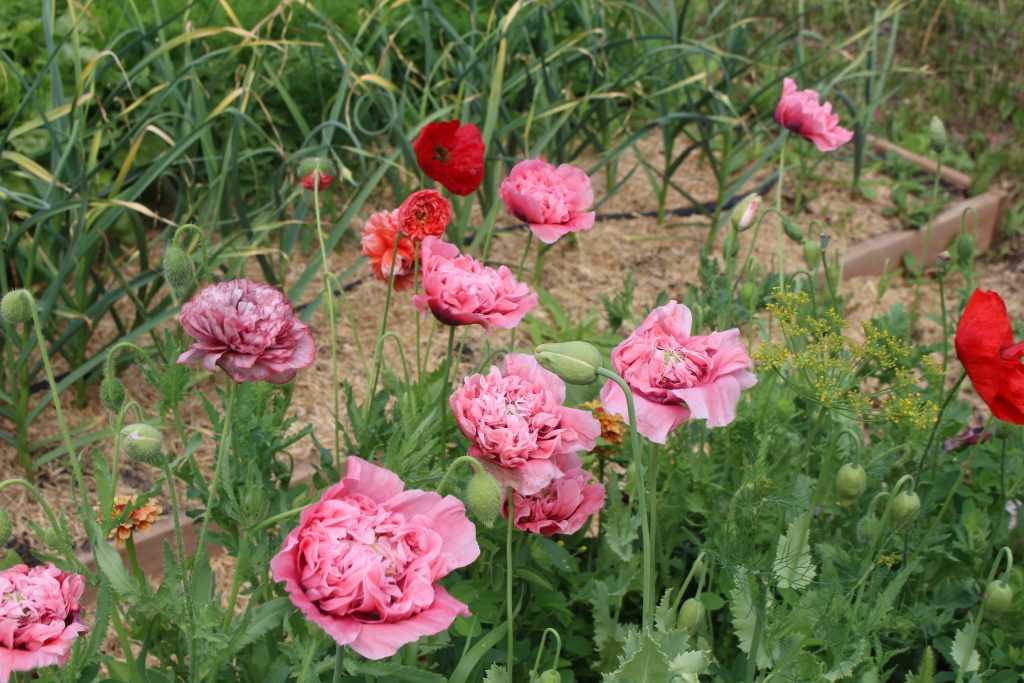
I have let my poppy bed run wild and re-seed over the last few years, resulting in a gorgeous, overflowing raised bed of mixed poppies. This reel on my Instagram shows them off!
Fav Variety: If you’re looking for a stunning poppy to grow, try these Peony Poppies, linked here. Their frilly petals look like peonies and steal the show in bouquets.
After flowering, poppies form seed pods that release hundreds of tiny seeds, which scatter easily and lie dormant until the next season. You’ll notice your poppies will be one of the first things to sprout in the early Spring. They are extremely cold-tolerant.
5. Nigella (Nigella damascena)
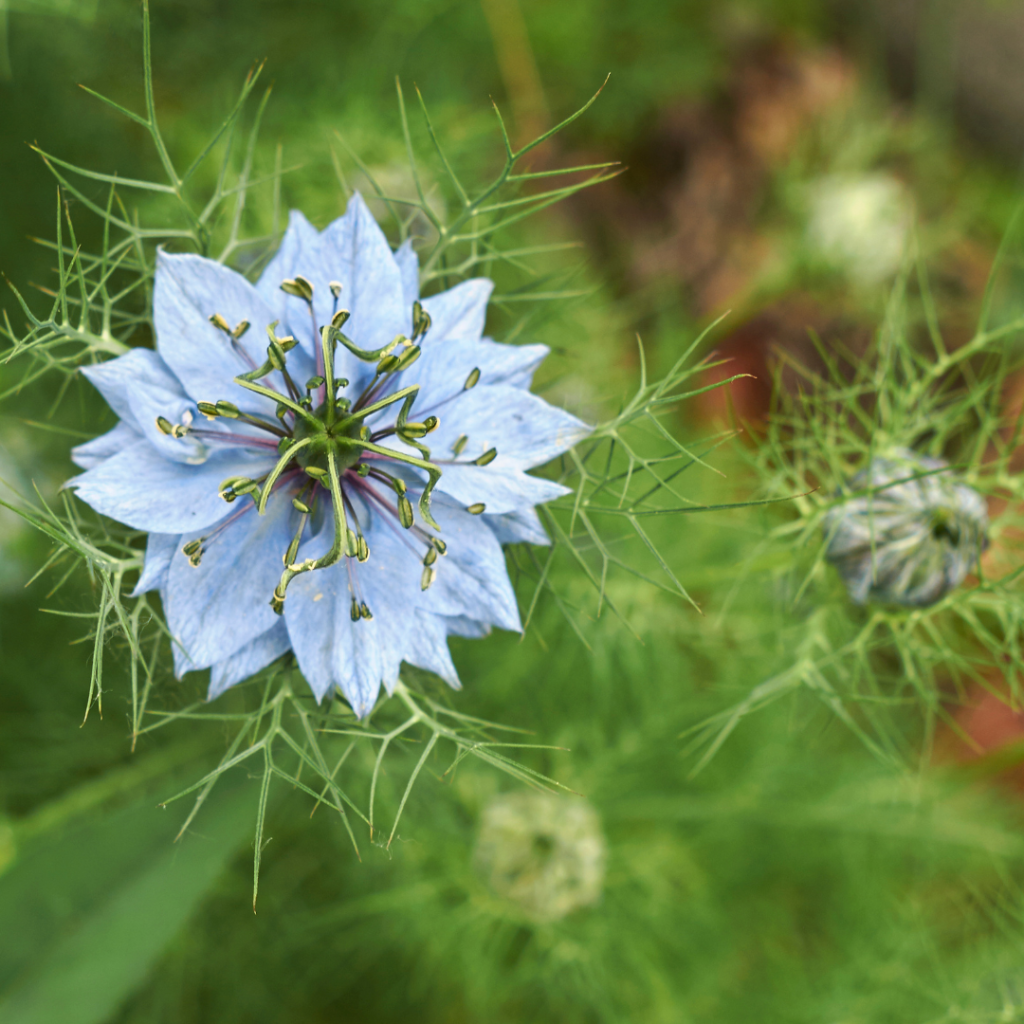
Nigella is a whimsical, delicate flower that drop dozens of seeds when the pods open.
I’ve never personally grown nigella but have heard from other Zone 2-4 gardeners that it does well in cold climates and will easily reseed as long as the soil isn’t disturbed in the Spring since the seeds are quite fine and delicate.
To get your nigella to self-seed, leave the entire plants and allow the seed pods to open on their own.
6. Hollyhocks (Alcea rosea)
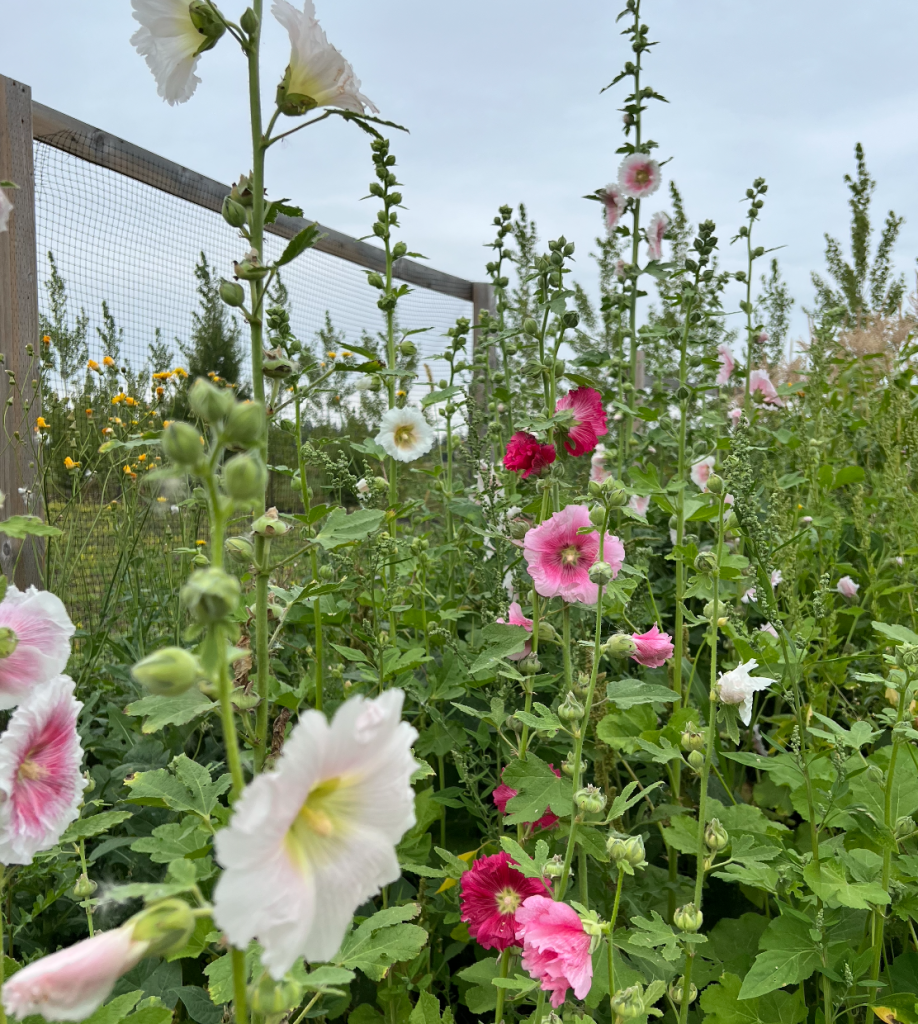
If you’re looking to make a statement and add some height to your garden, hollyhocks are the flower to go with. I absolutely love the cottage-feel of our hollyhocks and have watched my beds multiply with them over just a few seasons!
While technically biennials (plants that take two years to complete their life cycle), hollyhocks reseed themselves so well that they often return year after year. In fact, I’ve never had to wait two years to enjoy hollyhocks blooms here in Zone 3.
For best self-seeding success, leave the entire stalks in the ground at the end of the season and allow the seeds to disperse naturally. Then in the Fall, simply pull up the dead stalks and watch for new germination in the area.
7. Larkspur (Consolida ajacis)
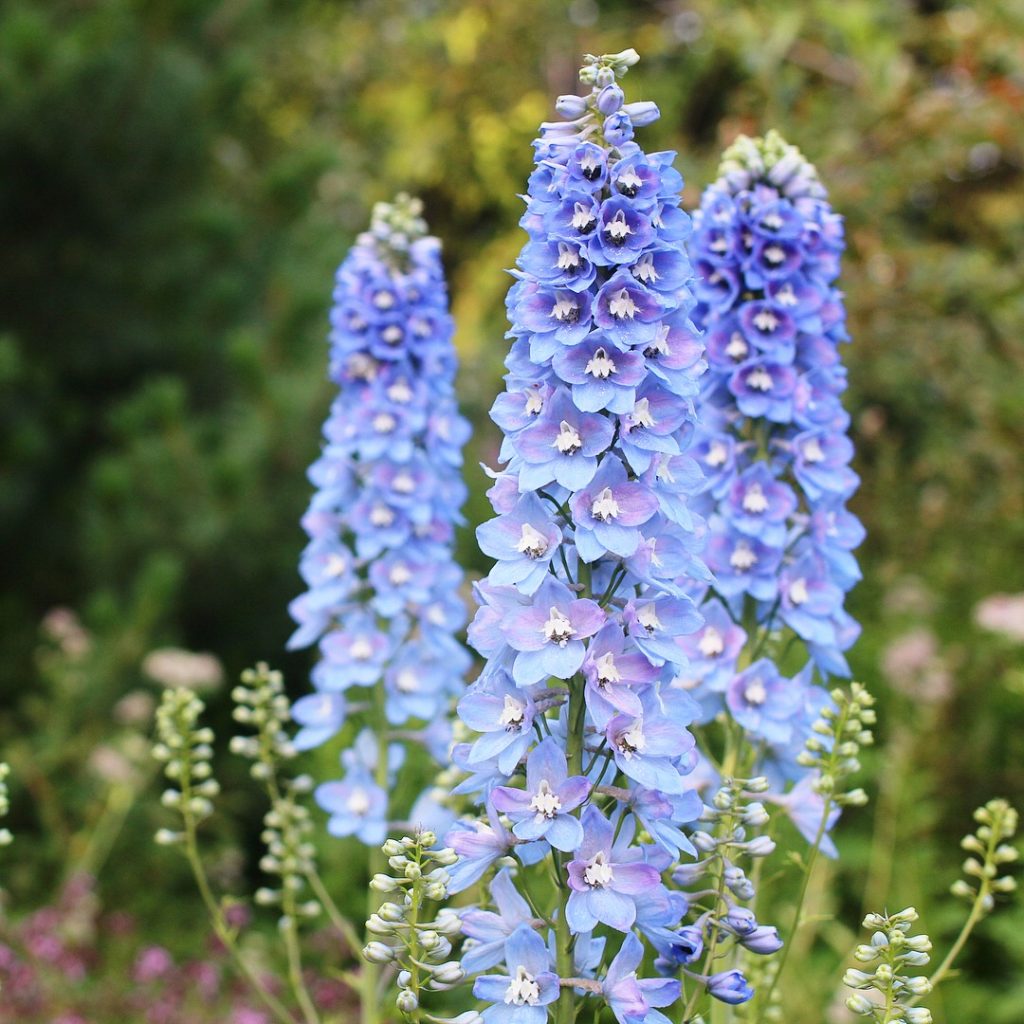
Larkspur is a new flower for our garden, having just planed it this year. But already it’s thriving in our Zone 3 garden and I plan to let it reseed. It’s also a perennial hardy to Zone 3.
The above photo is actually from some larkspur plants I saw on a trip to B.C. a few years back, which inspired me to plant them in our own garden. Aren’t they just stunning?
Pro-Tip: Larkspur is cold-tolerant and prefers cool soils. try transplanting established plants in the Fall instead of Spring.
The delicate flowers on larkspur resemble miniature delphiniums and reseed readily. In fact, once established, larkspur can create a sea of blossoms in following years with very little maintenance.
8. Bachelor’s Button (Centaurea cyanus)
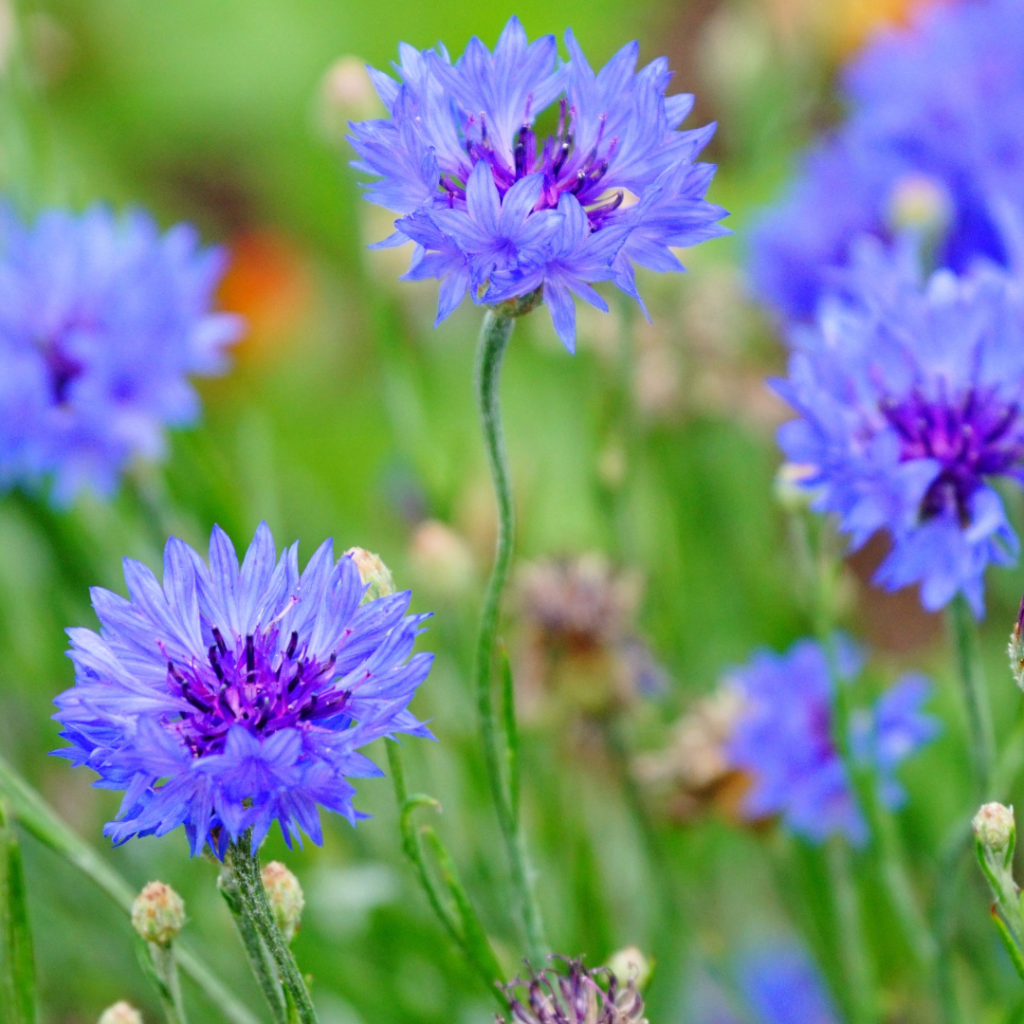
In my opinion, bachelor buttons are maybe one of the easiest flowers to grow! Plus they self-seed each year, so if you’re brand new to the whole flower growing thing they may just be the perfect choice for your garden.
Bachelor’s buttons, or cornflowers, are charming, old-fashioned blooms that come in shades of blue, pink, white, and purple. I love these simple, little flowers and have let them sprout throughout my veggie beds for the last few years.
For best self-seeding results, let bachelor button seed heads dry on the plant and then leave the entire plant in the ground at the end of the season to ensure reseeding.
9. Sunflowers
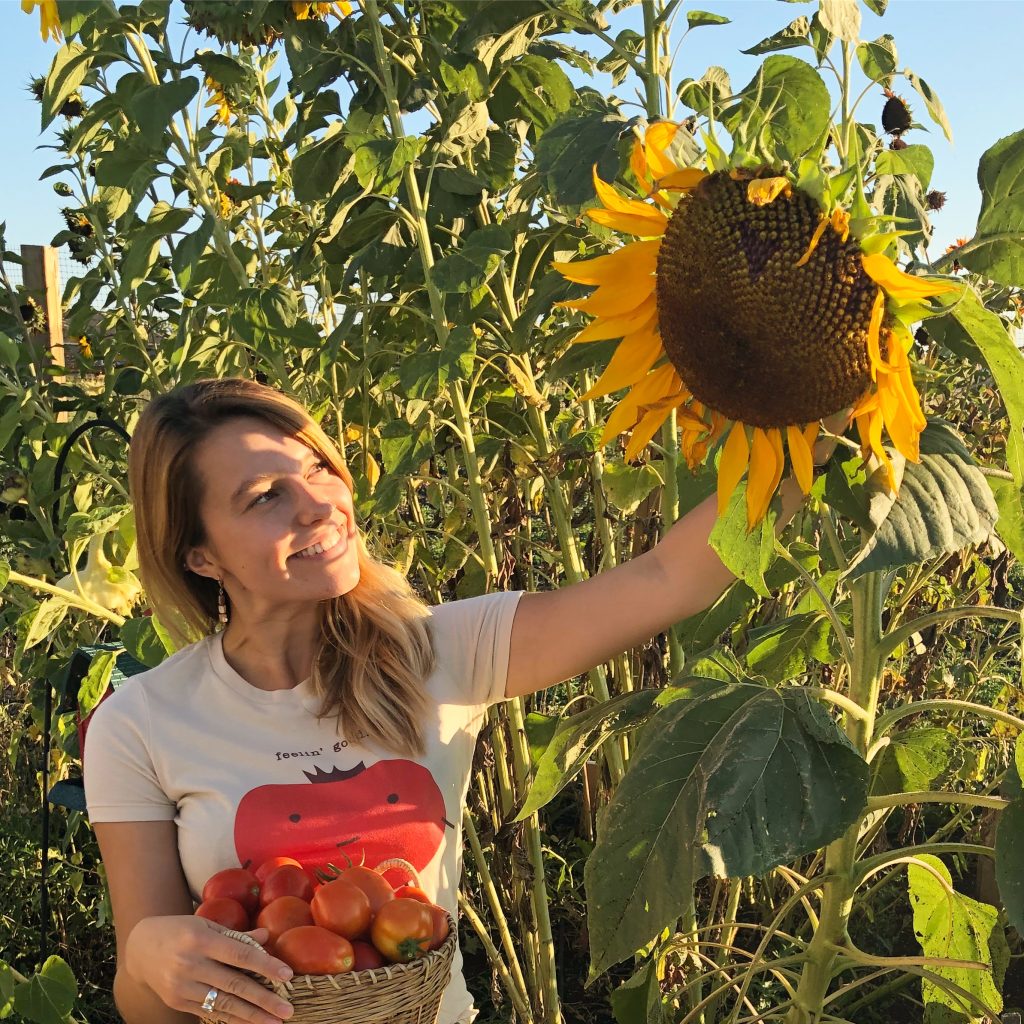
Sunflowers are wildly easy to grow and will reseed themselves in your garden…as long as the birds don’t eat all the seeds first.
Like the other flowers from this list, simply leave the sunflower heads on the plants to form and dry for the best chance of reseeding.
I love allowing my sunflower patch to self-seed each season since sunflower heads drop so many seeds, it usually results in the number of flowers I have each year multiplying by 100x.
10. Borage (Borago officinalis)
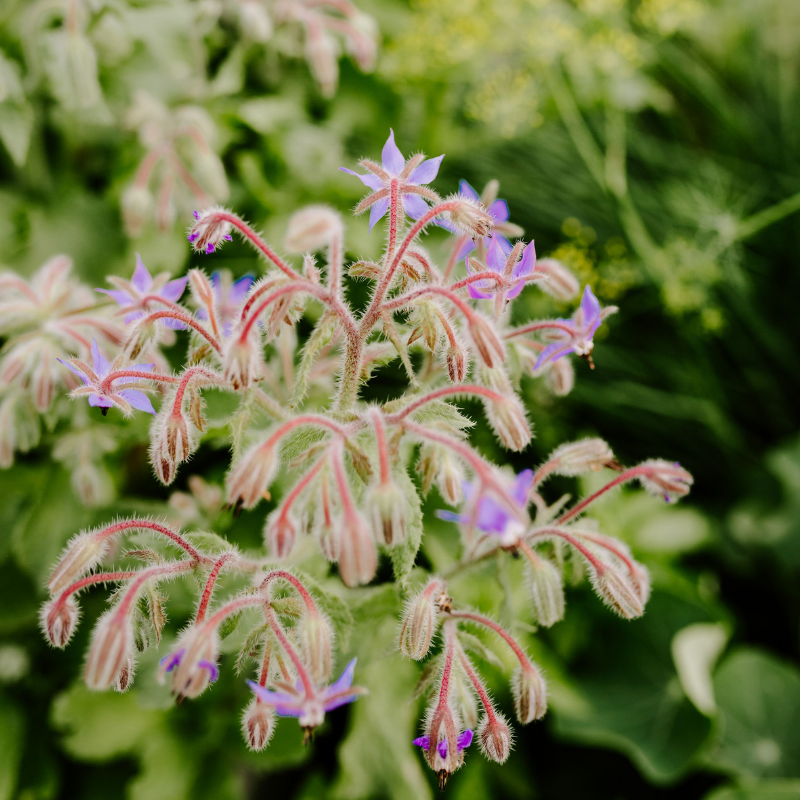
Last but certainly not least is one of my fav self-seeders, borage. If you’ve grown borage before then you know it really can pop-up like a weed in the garden year after year. I personally love it and use the edible flowers for garden cocktails as well as bouquets.
Borage has a deep tap root and will quickly re-seed in the Spring. The seeds are extremely tiny and fine, making it almost impossible to see them. So best practice is to leave the entire plants in the ground to die back, waiting til Spring to clean up.
As I mentioned in the intro, I’ve been told that borage will self-seed even in Zone 0. So it’s really a plant that will work for all gardeners, everywhere!
And there you have it!
Those are 20+ flowers, herbs and veggies that will easily self-seed in your garden year after year even in cold climate, Northern garden.
If there’s other plants on your own lists that you’ve had success with self-seeding, please comment below! I’d love to hear them and I answer all comments.
You can follow @fromsoiltosoul on Instagram, Pinterest and Tik Tok for more gardening content too.
My borage self seeds everywhere and I love it. Tried Cosmos for the first time this year and loved them, so hope they self seed as well!
Borage is like a weed, it’s wild!! I do love it too though so not complaining.
The plant in the photo for rubeckia hirta, is actually rubeckia fulgida